


When Should Kids Start Baseball?
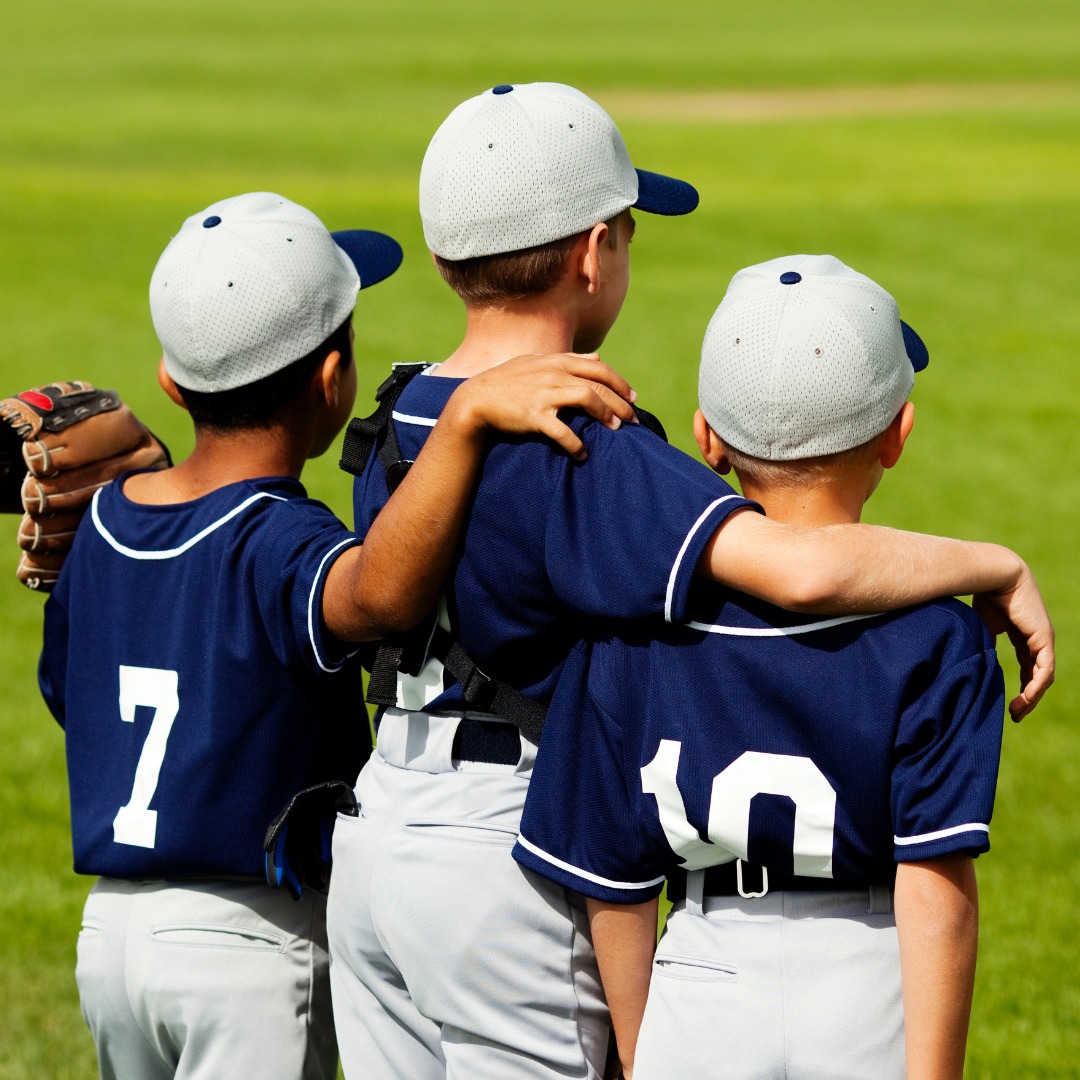
There’s nothing like the rush of a Saturday morning game—the smell of fresh cut grass in the air, families cheering as their kids playing baseball steal bases and score home runs. But when exactly is it best to introduce your child to America’s favorite pastime?
This article will explore what makes baseball such an excellent sport for little athletes and how to know when your child is primed to step up to the plate.
Baseball 101
Baseball is a sport beloved across generations and celebrated around the world. From the United States to Cuba to Japan, batters pitch, swing, and dive in a game that teaches patience, strategy, and teamwork.
Core Rules and Objectives
The game centers around two teams taking turns between offense (batting) and defense (fielding).
These are the basic rules of the game:
- When batting, the players aim to hit the ball and run through a series of four bases to score “runs.”
- Fielders work to get batters and runners out by catching the ball and tagging runners.
- After three outs, teams switch positions.
This back-and-forth continues through nine innings, blending athleticism with teamwork.
Baseball helps fine-tune motor skills, hand-eye coordination, and problem-solving skills. The sport also teaches children teamwork, communication, and how to handle both wins and losses gracefully.
Why Choose Baseball for Kids?
Baseball moves at a gentler pace than sports like basketball or soccer. There’s time to think, breathe, and reset between plays, making the game well-suited for children who are still developing their athletic and social skills.
The sport can gradually build confidence as your child sees their progress. Even if they strike out today, they might hit a single next week. Plus, there are ample opportunities for socialization. Your child can form lasting friendships during dugout chatter, at practice, and during post-game celebrations
The Best Age to Start Baseball
Ultimately, there’s no best age to start baseball. Instead, there are appropriate activities for little athletes at almost every age and stage of development.
Introducing Toddlers to Baseball (Ages 2-3)
When starting baseball at this age, throw out everything you know about rules and scorekeeping. Grab soft foam bats and plastic balls to turn your backyard into your toddler’s personal baseball playground. You can start training their skills by rolling the ball toward them and cheering when they swing. Then, toss it softly and watch them try to catch it.
These activities build gross motor skills and help toddlers associate baseball with joy and family time.
Entry Into Organized Leagues (Ages 4-5)
If you’re wondering what age to start T-ball, it’s around the same time kids enter pre-school.
During T-ball, the ball sits on a stationary tee so young players can focus on swinging and making contact with the ball. T-ball also teaches throwing, catching, and basic rules through games and drills while remaining fun and noncompetitive. The goal of T-ball is to build a positive foundation that makes kids want to keep playing.
School Age and Structured Play (Ages 6-8)
As children grow older, their coordination sharpens, and baseball programs shift to coach-pitch or kid-pitch programs that are closer to the “real” game.
Practice in these programs happens more regularly and often incorporates games on weekends. In these little leagues, players start learning positions, defensive responsibilities, and how to work together with their teammates.
Students can additionally find elevated opportunities for dedicated athletic and academic development with college preparatory programs like The St. James sports academy near DC. These academies combine guided learning with high performance coaching for unparalleled student athlete development.
Is It Ever Too Late to Start?
It’s never too late to start playing baseball! In fact, plenty of late bloomers find success in baseball. For example, the All-Star outfielder Matt Kemp played baseball and basketball in high school, but focused much of his energy on basketball. He made his minor league debut in 2003, then hit the major leagues in 2006 and eventually won two Gold Glove Awards.
This means a motivated twelve-year-old can learn the fundamentals and catch up to peers who have played for years. If they love the game and commit to improving, age is not as important as attitude.
Skill Progression and Milestones
Every child develops their baseball skills at a different pace, but there are some tried and true ways to support their progress.
Building Hand-Eye Coordination
Baseball is all about tracking objects in motion and timing your response. These at-home activities can make practice feel like play:
- Toss and catch a ball at close range
- Hit beach balls with plastic bats
- Play base-tag with a makeshift backyard baseball diamond
It’s also important to be consistent, even if you can only squeeze in five minutes of catch every day. These small practices will build your child’s skills over time and get them used to the movements before they ever even join a team.
Developing Social and Teamwork Skills
Through baseball, young will players learn that it’s necessary to trust and rely on others to secure wins. They also learn to communicate by calling for fly balls, directing runners, and lifting teammates up after mistakes. These lessons in sportsmanship often extend beyond the baseball diamond into school, friendship, and future careers.
Advancing to Competitive Levels
As players mature, coach-pitch evolves into kid-pitch, then faster live pitching with curveballs and breaking balls.
Signs that your child is ready to move to competitive play include:
- Interest and excitement for practice
- Coachability
- Drive to improve
Try not to push your children toward competition until they’re ready. Joining a competitive team is a big move that should feel earned and exciting.
Essential Equipment for Young Players
Little hands need the right-sized gear to play successfully. A few key pieces of properly fitted equipment will make all the difference in your child’s baseball experience.
Do Kids Need Cleats?
For T-ball and early leagues, sneakers work fine. Around ages seven or eight, cleats may be necessary for more competitive play.
Stick with molded plastic cleats rather than metal spikes, which many youth leagues don’t allow for safety reasons.
Choosing the Right Bat and Glove
Size matters when it comes to choosing a bat and glove for your little athlete. A bat that’s too heavy or too long is harder to swing. Can they hold it at arm's length for 20-30 seconds without the barrel dropping? That’s your bat.
Meanwhile, the glove should fit snugly but not tightly. For young players just starting out, a smaller glove is around 9-10 inches. A properly fitting glove will help them learn to close it properly and secure catches.
Tips for Parents New to Youth Baseball
Keep in mind that your approach will shape your child's experience more than any coach or teammate.
Supporting and Encouraging Participation
Consider these tips to guide your child’s success without making them feel pressured:
- Rather than asking about their achievements, ask your child what they enjoyed about practice or a game.
- Try not to coach from the sidelines during games. Instead, trust the coach to give instructions and cheer your child on to encourage them.
- Play at home! Backyard catch and batting builds skills and reminds them the game is ultimately for fun.
Finding and Choosing a Local League
When it comes to choosing the right league, consider:
- Asking other parents where their kids play baseball.
- Observing practice to see if you’re comfortable with the coach’s approach.
- Asking about playing time, competition level, and field development.
- Checking the league’s safety standards. Make sure the fields are well-maintained and the coaches are properly trained and background checked.
For families in DC, Maryland, and Northern Virginia, The St. James offers youth baseball leagues near DC that balances skill-development with fun gameplay, creating an environment where young athletes can explore their potential while making lasting memories.
Take the Next Big Swing with The St. James
Ultimately, the starting age for baseball is flexible, but fun and encouragement are essential for fostering lifelong enjoyment of the game in your children. Whether your child starts playing at age four or twelve, it’s most important to keep them engaged, make them feel supported, and get them excited to play.
If you’re ready for your little athlete to step up to the plate, The St. James sports complex in Springfield offers T-Ball and youth baseball training programs, teams, and private lessons to set up your child for success. Learn more about becoming a member and schedule a tour.
The St. James Blog is your go-to source for health, fitness, and wellness with resources on back to school tips for student athletes, understanding muscle soreness, and how to help student athletes avoid overuse injuries.
Sources
Kiddle. Matt Kemp Facts for Kids. https://kids.kiddle.co/Matt_Kemp