


6 Ice Skating Tips for Beginners: A Complete Guide
Learning to ice skate opens the door to a sport that blends movement and creativity. Whether your goal is to enjoy public skating sessions or become an expert figure skater, mastering a few core fundamentals can make the journey smoother and more enjoyable.
These skating tips provide a structured starting point, helping new skaters understand the basics of equipment, body position, safety, and technique.
If you’ve been wondering where to start (or searching for reliable beginner tips for ice skating), this guide offers clear, approachable steps to help you build confidence from day one.
Tip 1: Gear Up Right (Safety and Comfort First)
The first step to successful skating begins before you even step onto the ice. The right gear sets the foundation for comfort and control:
Selecting the Best Skates
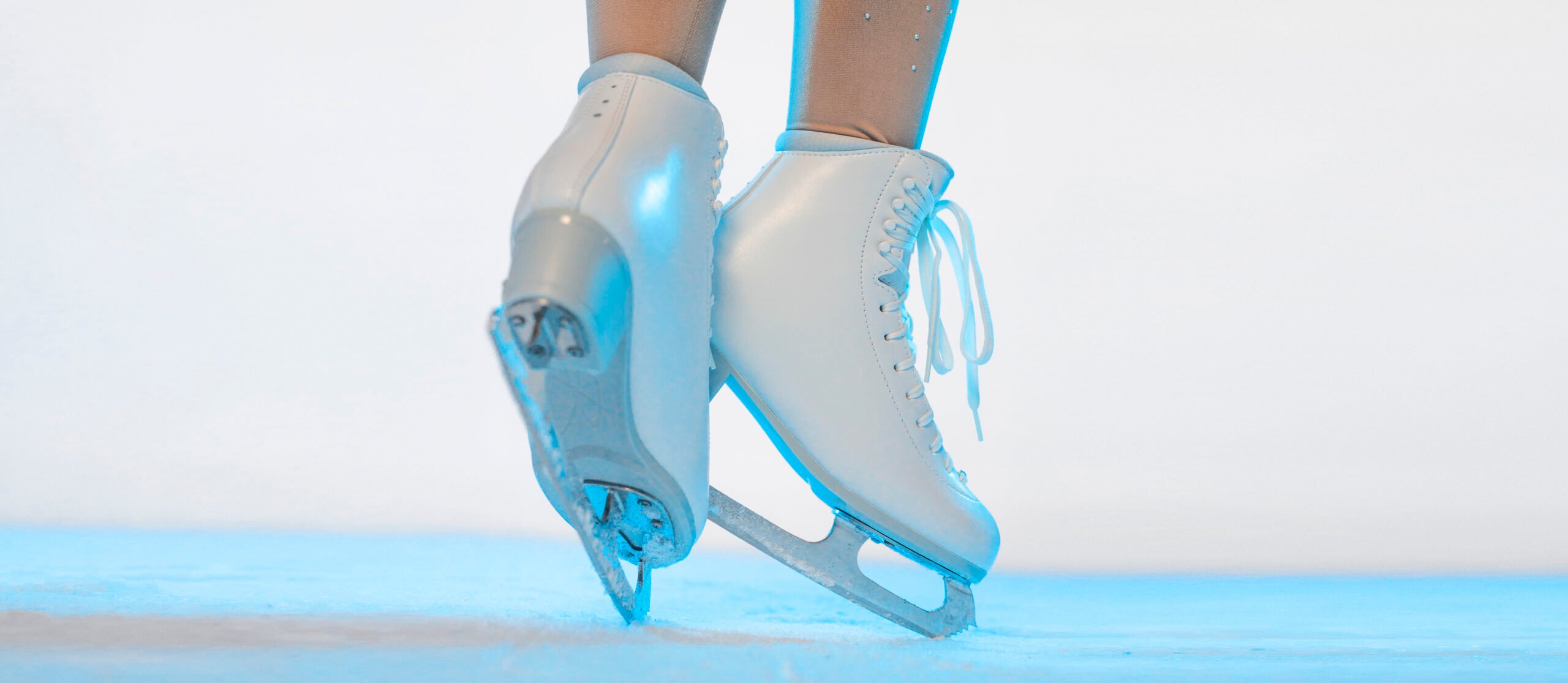
Properly fitted skates are essential. A secure fit provides the ankle support needed to stay upright and maintain balance, especially for new skaters. If a skate is too loose, the foot may roll, increasing the risk of discomfort or ankle strain.
If you’re purchasing skates or upgrading equipment, look for:
- A firm boot
- Sharpened blades
- A comfortable yet secure fit
A snug, supportive boot allows learning students to feel stable as they learn to stand and steer on the ice.
Essential Safety Gear
Helmets, knee pads, and wrist guards are helpful additions for those who want extra protection as they learn. Helmets reduce the risk of head injury, while padding helps soften falls that naturally happen for newcomers.
Ultimately, quality yet lightweight protective gear allows skaters to focus more on technique and less on the fear of falling.
Dressing for Success
Make sure to dress in warm, flexible layers to stay comfortable without restricting movement.
Thin, long socks can help prevent blisters and enhance boot comfort, while waterproof outerwear ensures you stay dry if you slip on the ice. Gloves are also essential, as they keep your hands warm and protect them during falls.
Tip 2: Master the Basic Stance and Balance
A confident, stable stance is the foundation for every move in skating. Before gliding across the rink, new learners should spend time learning how to balance and maintain control over their body weight.
Bending Your Knees: Your Center of Gravity
A slight bend in the knees (known as the athletic stance) lowers your center of gravity. This position helps absorb movement and prepare your body to shift weight smoothly.
Keeping your knees relaxed and flexible also makes it easier to recover from wobbles and reduces the chance of slipping backwards.
Learning to Stand and March on the Spot
Before attempting full strides, practice standing tall with your feet shoulder-width apart and toes pointed slightly outward.
March in place to become familiar with the feel of the blades against the ice. This simple practice builds trust in your footing and prepares you for forward movement.
Tip 3: Learn to Fall and Get Up Safely
Falling is a natural and expected part of learning to skate. Knowing how to fall (and get back up) safely will help you build confidence and minimize your risk of injury.
How to Properly Fall and Get Up
When you begin to lose balance, aim to drop to the side or slightly forward. Droppingbackward places more strain on the tailbone.
Try to keep your chin forward and hands out of the way of the blades. This protective posture helps prevent wrist injuries and keeps your head safe during impact.
Tip 4: Master the Basic Skills of Movement
Once balance and safety are established, the next step is learning how to move comfortably and purposefully across the ice:
- Gliding and the “V” push – One of the simplest ways to begin moving forward is with the “V” push. Start with your toes pointed outward in a wide “V” shape and push gently into the ice with the inside edges of your skates. This foundational technique strengthens balance and introduces edge control.
- Stopping techniques – The snowplow stop is an accessible method for just about anyone. To begin, bend your knees, angle your toes inward, and push your heels outward to create a “pizza slice” shape. As your blades scrape gently against the ice, friction will slow your momentum.
- Turning and steering – Turning involves subtle weight shifts and gentle adjustments in blade angle. Start with wide, slow arcs to learn how your feet guide direction.
By practicing these simple skating tips, you’ll develop more precise control over your body and skates over time. For families in the DMV area, The St. James’ Ice House includes two NHL-sized Springfield ice skating rinks, perfectly suited for practice with plenty of space, public skating times for members and the general public as well as skate rentals.
Tip 5: Apply Essential Rink Etiquette and Safety Rules
Skating responsibly helps keep everyone on the ice safe and ensures a positive experience for all.
Understanding the Flow of Traffic
Most rinks follow a counterclockwise flow. Skaters should glide with the crowd rather than cutting across traffic unexpectedly. This helps avoid collisions and provides predictable space to practice.
Staying Aware of Your Surroundings
Scan ahead and beside you as you skate. If you notice you need support, move toward the barrier and practice stopping safely near the wall. This gives you a place to reset without disrupting others.
Tip 6: Practice with the Experts
Professional coaching can help you avoid common errors and progress with even greater confidence. That’s because coaches use structured lessons and personalized feedback to help new skaters understand technique and balance more quickly.
For families in the DMV area, The St. James offers best in class instruction with our private coaching, ice skating camps, and ice skating lessons in Virginia so that beginners of all ages can build a strong skating foundation.
Hit the Ice with Confidence at The St. James
Whether you’re exploring ice skating for recreation, fitness, or a new personal challenge, The St. James offers programs and facilities to support every stage of your journey.
With expert guidance and a welcoming environment, new skaters can build skills at a pace that feels comfortable while discovering the joy and freedom of moving confidently on the ice. Learn more about our ice skating programs and book a tour at our facility!
Sources:
Kids Health. Safety Tips: Ice Skating. https://kidshealth.org/en/parents/safety-ice-skating.html
Riedell. Ice Skating Posture: Everything You Need to Know. https://ice-blog.riedellskates.com/ice-skating-posture-everything-you-need-to-know/
WebMD. Tailbone (Coccyx) Injury: Causes, Symptoms, and Treatments.https://www.webmd.com/fitness-exercise/tailbone-coccyx-injury