


Embracing the Benefits of Cold Plunging
Elite athletes have been using ice baths and other forms of cold therapy for decades. Ancient societies were interested in cold swimming and cold therapies too. Greek physician Hippocrates praised the soothing powers of icy water. Some Nordic cultures still use cold plunges and winter swimming as key elements of their well-being routines.
What Is a Cold Plunge?
Just like its name suggests, a cold plunge is a therapy where you immerse your body in ice-cold water. You've probably seen "polar bear swims" or other winter aquatic challenges in the news and on social media. These are a natural form of cold therapy. Many people participate in such challenges to raise money for charity, but they can be used intentionally for recovery and healing too.
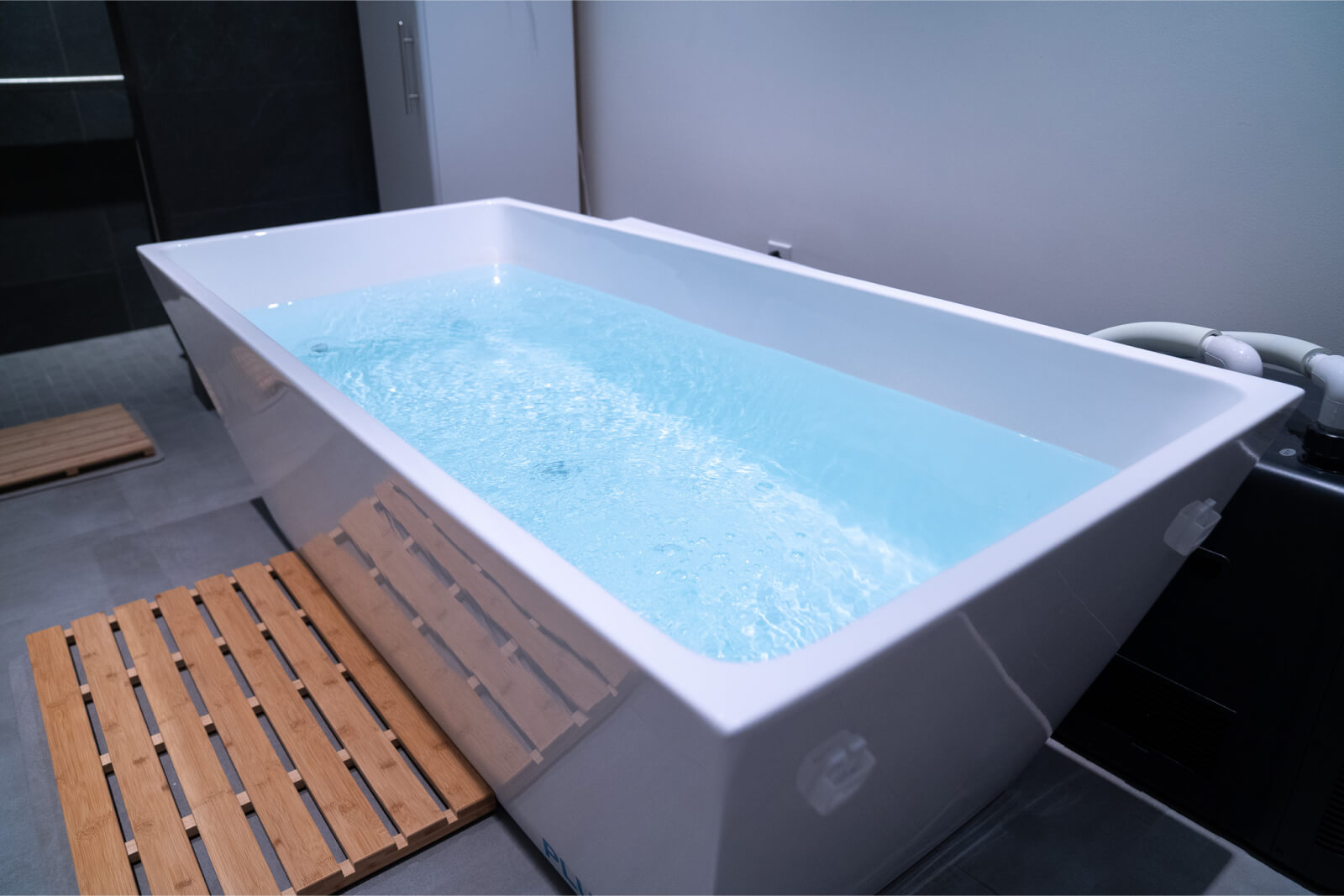
When you do a cold plunge at Courted Recovery Suite at The St. James, you'll sit in water up to your neck in a temperature-controlled tub of icy water. The water temperature is maintained between 50°F and 59°F (10°C to 15°C) for optimal benefits and in adherence to recommended guidelines. While cold plunging can be uncomfortable for first-time users, your body will adjust to the sensation with repeated therapy.
Why You Should Cold Plunge in a Controlled Environment
Cold plunging was traditionally completed outside in rivers, lakes, and even the ocean. While polar bear plunges and organized winter swims can be fun, you need to take extra precautions to stay safe in natural water. Why? Temperatures aren't always dependable. You may encounter pockets of cold that are unsafe for your body. If you stay in a cold lake or stream for too long, you run the risk of developing hypothermia. Additionally, you should never plunge into icy natural waters that have a current, such as a river, as this poses a serious risk of being swept downstream or trapped.
When you cold plunge at Courted in Springfield or Bethesda, you step into a tank with a temperature calibrated to provide maximum benefits with minimal risks. The temperature throughout the tub is uniform and can be monitored by a Recovery Suite concierge. You also have the advantage of knowing that you're immersing yourself in clean, filtered water free of pollutants. You can even pair a sauna session with a cold plunge for a unique therapeutic experience.
What are the Benefits of Cold Plunging?
Like other forms of cold therapy, cold plunges have many long term physical and mental benefits.
Decreases Inflammation and Pain
One of the greatest physical benefits of cold plunging is a reduction in pain and inflammation immediately following the plunge and for several hours afterward. This is crucial for athletes who want to reduce injury risks following a workout.
Cold plunging is also beneficial for relieving pain caused by inflammatory conditions like arthritis.
Supports Healthy Recovery
The reduction in inflammation from cold plunging affects more than just your pain levels. It also supports a healthy recovery process. When your body is in an inflammatory state, healing and recovery are delayed. Minimizing inflammation helps improve recovery time and reduce delayed-onset muscle soreness (DOMS). Your personal trainer can help you design a comprehensive anti-inflammatory recovery program.
Improves Mood
In a study published by the International Journal of Circumpolar Health, researchers report that regularly swimming in cold water improves overall wellbeing. Over time, the study's swimmers reported fewer negative emotions and feeling happier. The researchers hypothesize that these improvements were triggered by endorphins released during cold-water swims.
Supports Metabolic Health
In a study published by the National Library of Medicine, cold plunging provides a significant increase in daily energy expenditure (EE) and is effective at increasing Brown Adipose Tissue (BAT) volume and activity. BAT is a specialized type of fat that burns energy (calories) to produce heat via non-shivering thermogenesis, which suggests cold plunging provides long-term benefits for metabolic health when used consistently.
Your mom might have told you that getting cold can make you sick, but that's not entirely true. It can actually help you stay healthy by resisting oxidative stress (damage caused to the body by free radicals), unhealthy lifestyle choices, and pollutants.
Dietitians encourage their clients to eat antioxidant foods because the nutrients help reduce damage. Cold plunging can also improve antioxidative protection so that your body is less prone to cell damage and disease. This is why some Nordic cultures swear by cold exposure to fight illness and infection.
How to Cold Plunge Safely:
To safely incorporate cold plunging into your routine, follow these guidelines:
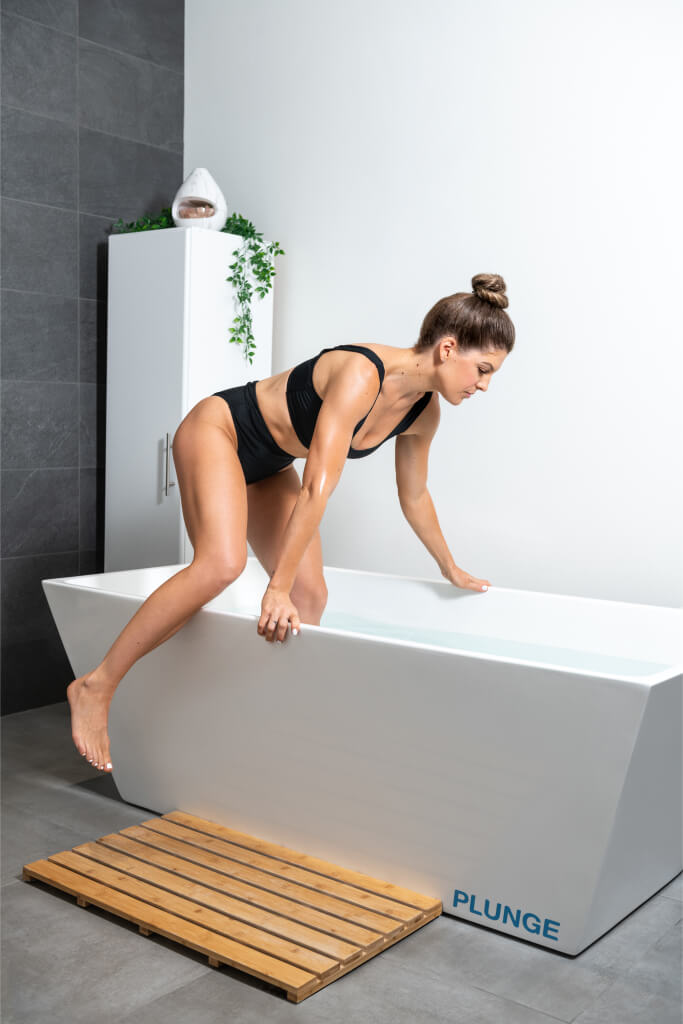
Start Slow: If you are new to cold therapy, try testing the effects with a brief cold shower first. When entering the tub, start by immersing an arm or leg before fully submerging your body.
Mind the Duration: Begin with a short duration of 30 seconds to 1 minute. As your body adapts, you can gradually work up to a maximum of five to ten minutes per session.
Rewarm Slowly: After your plunge, it is essential to rewarm your body gradually. Avoid immediately jumping into a hot tub, sauna, or hot shower, as this rapid temperature change can put too much stress on your cardiovascular system. Dry off and dress in warm clothing.
Is Cold Therapy Safe?
Cold therapy is beneficial for most people. Of course, there are some exceptions. You should talk to your doctor before booking a cold plunge session if:
- You have a history of cardiovascular problems
- You have Raynaud's Syndrome
- You develop hives from cold exposure (known as cold urticaria)
- You're pregnant
Important Considerations for Athletes
While cold plunging offers significant short-term recovery benefits, research suggests that timing is crucial for long-term athletic development. If your primary goal is to maximize muscle growth and strength (hypertrophy) from resistance training, plunging immediately after your workout may hinder these gains by turning down the necessary molecular signaling pathways. In this case, you should consider plunging before your workout or on a separate day. However, for quick recovery before a competition, reducing muscle soreness (DOMS), or improving endurance performance, plunging immediately after exercise remains beneficial.
Consult an expert to maximize the benefits of slipping into an ice-cold plunge tub at the end of your next workout session to help your body recover, relax, and de-stress. Take advantage of everything the cold plunge has to offer by scheduling a cold plunge appointment or getting a Recovery membership for unlimited access to cold plunge and other recovery services. The staff of Courted Recovery Suite, located within the St. James Flagship in Springfield and Performance Club in Bethesda, look forward to supporting your recovery needs.