


The Benefits of Playing Youth Soccer
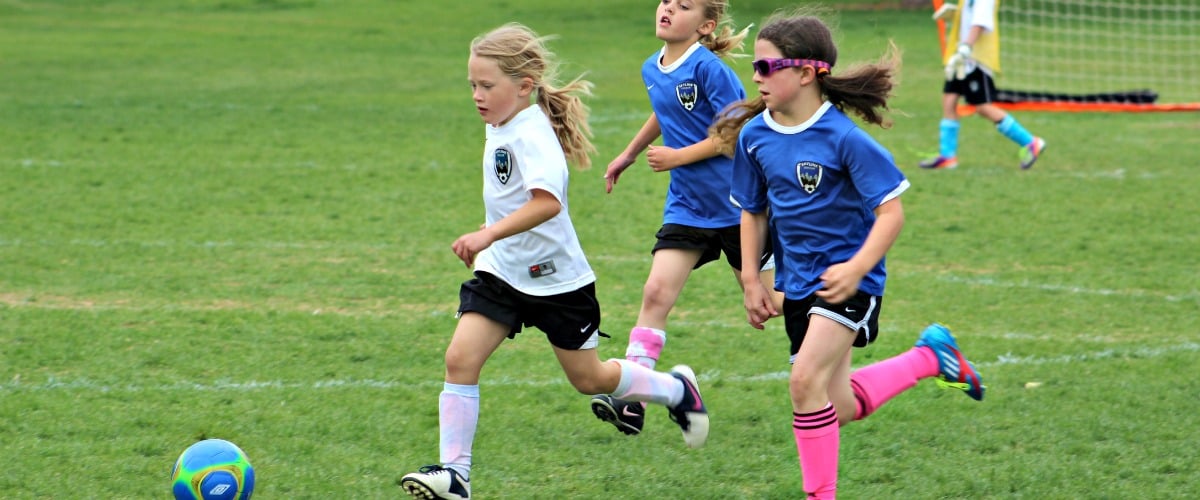
The benefits of soccer impact several areas of a young athlete’s development, from physical conditioning to cognitive growth and social confidence. The sport combines movement, strategy, communication, and continuous problem-solving, offering children a structured and engaging way to build skills that support their overall well-being.
Whether a player is exploring soccer for the first time or looking to expand their athletic abilities, the game provides meaningful opportunities for growth. Soccer for young athletes provides both physical and mental advantages, enhancing overall growth. And at The St. James, our youth soccer programs are designed to help athletes develop at every stage.
Soccer provides excellent benefits to health by playing an important role in that mission, offering pathways for physical fitness, mental sharpness, community building, and lifelong learning.
Soccer: The Ultimate Full-Body Workout
Youth soccer involves running, sprinting, changing direction, dribbling, and defending; all movements that call on the entire body. For families wondering, “What are the benefits of playing soccer?” one of the most immediate advantages is the sport’s ability to keep athletes in motion through a wide range of dynamic movements.
Because athletes remain active for most of a game, soccer encourages consistent physical engagement that strengthens major muscle groups and enhances endurance, making it both a good recreational pastime and a full-body workout.
Here are some key physical areas where many young players experience growth and development:
Superior Cardiovascular Health and Stamina
Soccer encourages continuous activity, which supports cardiovascular health in a natural, accessible way. During a typical practice or match, young athletes alternate between running (jogging or sprinting) and quick positional adjustments. These patterns help:
- Strengthen the heart and lungs
- Build aerobic and anaerobic endurance
- Improve circulation
- Support overall physical stamina
For many youth athletes, soccer becomes a consistent source of cardiovascular exercise that contributes to long-term wellness, both on and off the field. Engaging in this type of aerobic exercise pays off beyond the game, contributing to long-term health benefits.
And the cardiovascular advantages of playing soccer extend beyond performance; they can also influence energy levels and support immune function, all while helping young athletes feel more confident in their physical abilities.
Improved Motor Skills and Coordination
Soccer requires participants to control the ball with their feet while scanning the field and reacting to moving teammates and opponents. Each touch, change of direction, and defensive adjustment calls for precise body control and awareness.
Athletes learn to manage the ball while planning their next move, which challenges the brain and body to work together in real time. These demands support the development of:
- Eye-foot coordination
- Balance
- Agility
- Reaction time
- Spatial awareness
Drills, small-sided games, and regular practice sharpen these motor skills gradually, helping young athletes move efficiently and confidently in athletic settings and daily life. As players gain comfort with ball control and movement, they may see improvements in other areas as well, such as foot placement and injury prevention. Long-term benefits of consistent practice often include improved coordination, confidence, and self-reliance.
Enhancing Muscle Strength and Bone Density
Soccer consistently engages key muscle groups. Young players use their legs, hips, and core throughout play, whether striking the ball or defending against an opponent.
As a result, soccer helps develop:
- Lower body strength
- Core stability
- Functional power
- Joint support and balance
Additionally, weight-bearing activities like running and jumping contribute to healthy bone density development in young athletes.
Premium gyms and sport complexes in Springfield, VA like The St. James offer state-of-the-art facilities with a full range of fitness equipment, core group fitness classes, and recovery services to further assist athletes with keeping up with their passions.
Cognitive and Mental Acuity on the Pitch
Alongside physical conditioning, soccer also supports cognitive development. The sport requires attention, planning, fast decision-making, spatial reasoning, and awareness of team dynamics. As a result, mental sharpness is often honed and rewarded.
Because situations change quickly on the field, athletes often sharpen essential mental skills through regular play.
Quick Decision-Making Under Pressure
Every moment of a match presents athletes with decisions: when to pass, when to shoot, when to reposition, and how to respond to changing defensive shapes. This environment encourages young players to:
- Process information quickly
- Evaluate multiple opinions in real time
- Anticipate the actions of teammates and opponents
- Adjust their strategy based on the situation
Over time, these experiences help develop confidence in split-second judgment, a skill that benefits athletes across sports and in academic settings.
Boosting Focus, Concentration, and Attention Span
Soccer rewards sustained focus, so players must stay alert to shifting field conditions, evolving strategies, and coach instructions. Through training and gameplay, many young athletes improve:
- Process information quickly
- Evaluate multiple opinions in real time
- Anticipate the actions of teammates and opponents
- Adjust their strategy based on the situation
Over time, these experiences help develop confidence in split-second judgment, a skill that benefits athletes across sports and in academic settings
Boosting Focus, Concentration, and Attention Span
Soccer rewards sustained focus, so players must stay alert to shifting field conditions, evolving strategies, and coach instructions. Through training and gameplay, many young athletes improve:
Attention control
- Listening skills
- Pattern recognition
- Ability to follow multi-step directions
- On-task behavior during complex activities
These improvements can support learning, classroom engagement, and performance in other sports. Soccer aids participants, especially children, in developing the ability to concentrate, all while ensuring they have fun on the field.
Preparatory sports academies, like The St. James Performance Academy, work to further nurture and develop cognitive skills as well as athletic ability in youth athletes to inspire our future athletes and leaders.
Reducing Stress and Improving Mental Well-Being
Physical activity plays an important role in mental well-being. Specifically, soccer provides structured movement that helps release endorphins (chemicals linked to improving emotional balance).
This means the sport can offer youth players:
- A healthy outlet for stress
- A boost in overall mood
- Improved sleep
- A sense of accomplishment
- Increased confidence through skill progression
Developing Essential Social and Life Skills
Soccer is a team-oriented sport that brings young athletes together around shared goals, structured roles, and group communication.
These experiences help children build social awareness, empathy, leadership qualities, and collaboration skills that influence their growth, even beyond athletics.
Developing Essential Teamwork and Communication Skills
Players must communicate clearly and consistently, sometimes through spoken cues, and other times through non-verbal signals like body position or movement patterns.
Communication is active and ongoing, whether a player is calling for the ball or adjusting field space for a teammate’s run. These interactions help athletes practice:
- Cooperation
- Active listening
- Reading non-verbal cues
- Supporting teammates
- Problem-solving within a group
As players become more comfortable communicating under pressure, they often build self-confidence in expressing themselves in other settings. They learn how to navigate disagreements or offer encouragement, adjusting their communication style depending on the situation. By working together toward game objectives, players naturally gain teamwork skills that carry into classrooms and future professional environments.
Fostering Discipline and Responsibility
Soccer introduces expectations that help athletes strengthen their personal responsibility and discipline. These expectations might include attending practice consistently, respecting coaches and referees, following team rules, or managing equipment.
Over time, athletes begin to understand how their actions influence not only their own performance but also the experience and progress of the entire team. This awareness supports accountability and encourages players to take ownership of their communication and effort. Through these habits, young players learn to:
- Accept direction and feedback
- Stay committed to goals
- Manage emotions during competition
- Take responsibility for mistakes
- Develop a foundation of sportsmanship
As athletes grow more familiar with these expectations, they also learn how to adapt to different coaching styles and maintain focus during challenging moments. These qualities contribute to character development and help athletes navigate challenges in all areas of life.
A Lifetime of Community, Friendships, and Leadership Skills
Playing soccer is more than a physical activity, and often fosters friendships and team spirit. Many youth athletes form strong friendships through soccer teams, practices, and shared experiences. The sport also offers opportunities to practice leadership, whether helping a teammate or stepping into a captain role when appropriate.
Over time, this helps players develop:
- A sense of belonging
- Confidence in social environments
- Respect for diverse perspectives and abilities
- Skills in guiding and motivating others
These experiences build emotional intelligence and strengthen a child’s sense of community.
For families in the DMV area, The St. James youth soccer programs, camps, and competitions allow young athletes the chance to not only develop their skills, but also meet other kids that share their interests.
Elite Training and Performance Enhancement in Soccer
The St. James supports soccer athletes with resources designed to refine technique and improve fitness. Our training environment incorporates modern performance technologies, which can help players strengthen core movement patterns and increase their understanding of the game’s strategic layers.
Depending on the program, athletes may have access to:
- Experienced soccer coaches
- Strength and conditioning support
- Agility and speed development
- Technical skills training
- Tactical understanding and situational play
- Performance tracking and evaluation
Through a combination of individualized instruction and team-based learning, players gain a more complete view of their own athletic potential. The sport becomes a space where they can challenge themselves while remaining supported by knowledgeable coaches and a community that values growth over perfection.
Finding the Right League, Program, or Camp
Every young athlete benefits from an environment that matches their skill level and goals. The St. James offers a variety of soccer pathways so families can select the one that best supports their child’s development.
Our coaches and programming staff help guide families through available options, making the decision process more informed and aligned with each athlete's needs. Options may include:
- Seasonal recreational leagues
- Competitive leagues
- Age-specific skills clinics
- Position-focused training
- Multi-day or seasonal soccer camps
- Indoor and outdoor facility options
This variety helps ensure athletes can shape their soccer experience based on their interests and learning style. For example, some players may gravitate toward structured league play, while others thrive in skills-focused training or short-term camps that introduce new techniques and challenges.
Joining the Game at The St. James
At The St. James, we’re proud to provide an environment where young athletes can train, learn, and grow through soccer, supported by a philosophy that values long-term player development and a positive relationship with the sport.
Our facilities and athlete-centered programs give participants access to high-quality instruction and resources tailored to their development stage. From foundational skill-building to advanced tactical understanding, athletes can explore multiple dimensions of the game in a setting that prioritizes safety and personal progress.
Families can expect a well-rounded experience that goes beyond drills and competition. That’s because our approach encourages curiosity and self-awareness with a mindset that views improvement as a continuous process.
Whether an athlete is new to the sport or eager to advance, our youth soccer programs offer structure, support, and opportunities to progress at an appropriate pace and intensity. Learn more about our youth sports programs and book a tour at our facility!
Sources:
Beast Mode Soccer. The Importance of Scanning and Spatial Awareness in Soccer, From Early Development to Elite Play.
Feldman Physical Therapy. Why Soccer Players Need “Leg-Day.” https://www.feldmanphysicaltherapy.com/why-soccer-players-need-leg-day/
National Library of Medicine. Deliberate Soccer Practice Modulates Attentional Functioning in Children. https://pmc.ncbi.nlm.nih.gov/articles/PMC7235161/