


When to Start Swim Lessons for Kids
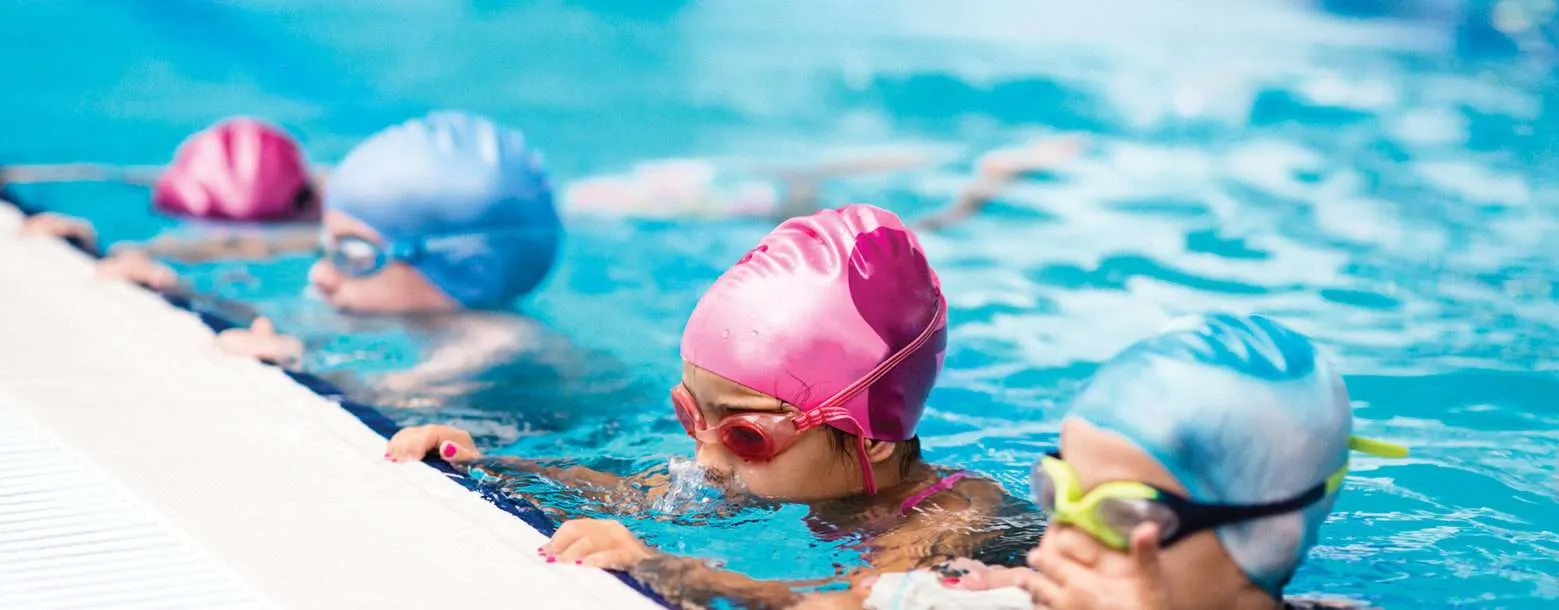
Swimming is a practical skill that provides both enjoyment <and safety. For parents, deciding when to start swim lessons can feel like a big milestone, but one that comes with questions about age, readiness, and whether their child is truly prepared for the water. The good news is that swim lessons don’t have a single “right” starting point.
Timing matters, but so does understanding your child’s development and emotional readiness. Some children thrive with early water exposure, while others benefit from waiting until they’re a bit older and more independent. The goal isn’t to rush the process, but to create a positive, confidence-building experience that sets the foundation for safe, enjoyable swimming.
At The St. James, swim instruction is designed to meet children where they are, combining age-appropriate structure with a welcoming environment. In this guide, we’ll help you understand typical age ranges for starting swim lessons, how to recognize readiness cues, and take the next steps with confidence.
The Best Age to Start Swim Lessons
Parents often hear a wide range of options about the ”best” age to begin swim lessons. In reality, children can be introduced to water skills at different ages, depending on the type of lesson and the child’s comfort level.
Early swim experiences focus on familiarity and safety, not formal strokes or endurance. As children grow, lessons evolve to include independent movement and confidence in deeper water.
Understanding this progression helps parents choose the right starting point without feeling pressured to begin too early or wait too long.
When Do Most Kids Usually Start Swim Lessons?
Most children begin formal swim lessons sometime between infancy and early childhood, but the structure and goals of those lessons vary widely by age.
Infants and toddlers often participate in parent-and-child classes that emphasize comfort in the water. These sessions typically involve gentle movements and guided play, helping children become familiar with water while remaining close to a trusted adult.
Preschool-aged children may transition into more structured lessons that introduce basic water skills such as:
- Floating
- Kicking
- Moving short distances independently
By early elementary school, many kids are developmentally ready for group lessons focused on foundational swimming techniques and water safety concepts.
But remember: These age ranges are guidelines, not rules. Some children are ready earlier, while others benefit from waiting until they feel more secure.
How Do You Know If Your Child Is Ready for Swim Lessons?
Readiness is less about age and more about developmental cues. Children who are ready for swim lessons typically show a combination of physical, emotional, and cognitive readiness. Comfort in shallow water is one of the clearest signs.
A child who is willing to enter the pool and move without fear is often ready to participate in lessons. The ability to follow simple directions, even briefly, also matters, especially for classes where instructors work with small groups.
Emotional readiness is just as important. Children who can separate from a parent for short periods, or who feel calm and curious in new environments, often adapt more easily to structured lessons. That said, parent-and-child classes are designed specifically for younger swimmers who still need that close connection.
Readiness Signs Parents Can Look For
Every child develops differently, but there are common signs that suggest a child may be ready to begin swim lessons:
- Shows curiosity rather than fear around water
- Is comfortable sitting or standing in shallow water with support
- Can follow basic instructions like “Hold the wall” or “Kick your feet”
- Demonstrates growing independence and body awareness
Not all signs need to be present at once. Swim lessons themselves often help children build these skills gradually, especially in programs designed for beginners.
Benefits of Early Swim Exposure
Early exposure to water can help children develop familiarity and confidence over time. Rather than focusing on performance, early lessons aim to create positive associations with the pool and basic awareness of how the body moves in water.
High-level benefits of early swim exposure may include:
- Improved comfort in aquatic environments
- Early development of coordination
- Increased confidence around water
Just as importantly, early lessons help normalize water safety concepts in an age-appropriate way, without fear. These early experiences are about building a foundation. Skills are layered gradually, allowing children to progress at a pace that feels natural and supportive.
What Influences the Right Timing for Swim Lessons?
Several factors can influence when a child is ready to start swim lessons, such as:
- Developmental stage
- Family lifestyle
- Previous water exposure
- Access to consistent instruction
Children who spend time around pools, lakes, or beaches may benefit from earlier exposure simply due to familiarity. Others may need more gradual introductions if water is new or unfamiliar.
Is It Too Early or Too Late to Start?
A common parent concern surrounding swim lessons is whether they’re starting too early or whether they’ve missed an ideal window. The answer is that it’s rarely “too early” or “too late” to learn to swim.
Younger children can benefit from earlier exposure and comfort-building, while older children often progress quickly once they start lessons. Even kids who begin swimming later can develop strong foundational skills with structured instruction and encouragement.
Rather than focusing on timing alone, it’s more helpful to focus on creating a positive learning environment where children feel supported and motivated.
What Should Parents Expect in Early Swim Classes?
Early swim classes are designed to feel approachable and low-pressure. For infants and toddlers, parents are typically in the water, helping guide movements and reinforce comfort while instructors lead the session.
As children grow, lessons become more structured, but still emphasize encouragement and gradual progression. Instructors may focus on helping children:
- Feel safe
- Understand basic pool rules
- Build trust in their abilities
Parents can expect repetition, simple cues, and a focus on participation rather than perfection. Progress may look subtle at first, but consistency leads to noticeable growth over time.
Building Confidence Over Time
It’s important to remember that learning to swim is a process, not a race. Confidence will develop through repeated, positive experiences that allow children to explore the water at their own pace.
Some children progress quickly, while others need more time to feel secure. Both paths are normal. The most important marker of success is that children develop respect for the water and confidence in their ability to navigate it safely.
Taking the Next Step at The St. James
Choosing the right time to begin swim lessons is about understanding your child and finding a program that supports growth without pressure. At The St. James, swim instruction is built around age-appropriate progression, experienced instructors, and an environment designed to help children feel confident and capable in the water. Our DC Metro swim lessons are available to a wide range of ages and skill levels.
Through the Learn to Swim program, children are introduced to foundational water skills in a structured yet welcoming setting. Lessons are designed to build comfort and confidence step-by-step, supporting families at every stage of the journey.
Ultimately, deciding when to start swim lessons is about trusting both your instincts and your child’s individual journey. Progress may look different for every family, and that’s okay. What matters most is creating a positive, supportive introduction to swimming that encourages curiosity and a lifelong connection to the water.
Sources:
American Academy of Pediatrics. Swim Lessons: When to Start & What Parents Should Know. https://www.healthychildren.org/English/safety-prevention/at-play/Pages/Swim-Lessons.aspx
Association of Aquatic Professionals. Swimming Into Success: Why Kids Should Hit the Pool Early. https://aquaticpros.org/swimming_into_success_early_swim_lessons/