


Stay Active and Injury-Free This Winter with Low-Impact Exercises

By Adae Amoako, MD, family and sports medicine doctor, Kaiser Permanente
Regular exercise can help you stay healthier, but it can also be hard on your body, especially your joints. That shouldn’t stop you from staying active, which is essential to your overall well-being. For those with bone or joint diseases, such as osteoporosis or arthritis, it’s even more important to maintain a regular exercise routine — and low-impact workouts are key to avoiding injuries. Low-impact workouts help reduce or avoid injuries because they are gentler on the joints and body while keeping them strong. They improve balance and coordination and help you move better.
Adding low-impact exercises to your routine can still give you the intensity level you need for a vigorous workout and boost your cardiovascular health. The exercises can also help protect you against type 2 diabetes and high blood pressure.
In addition, try to include low-impact workouts that can help you build muscle strength and flexibility, such as strength training exercises. Here are six effective, low-impact exercises to get you started.
Swimming
For a great workout that offers many health benefits, grab your swimsuit and head to the nearest indoor pool. Swimming improves your heart and lung health by raising your heart rate in a controlled manner which helps you build stamina. In addition, swimming requires smooth and coordinated movements and therefore trains your body to move more efficiently, reducing the risk of falls. Swimming laps are very easy on your joints and can also amp up your metabolism and improve sleep. Many local recreation centers offer pools open to the public.
Walking
Lace up your cross-trainers and get walking. Outdoor walking is preferable, but since the colder winter temps can keep us indoors, head to your treadmill for a good calorie-burning walk. Walking works out your legs, hips, and core making muscles in these regions stronger. Stronger muscles prevent sprains and strains. If you don’t have a treadmill, you can take laps around your house, the mall, or grocery store. Boost intensity by picking up your pace.
Cycling
Cycling delivers a low-impact workout that’s easy on your joints and your back. It works on your hamstrings, quads, calves, and glute muscles. The stronger these muscles are, the more stable your joints which prevent injuries. Whether outside or inside on a stationary bike, cycling can get your heart rate going and help reduce stress.
Rowing
If you have a rowing machine at home (or a gym membership), you can add this workout to your routine for a low-impact cardio boost. Rowing uses so many muscles at the same time and therefore allows you to build many muscle strengths at once. Since it works several muscles at once, it reduces stress on one joint, leading to less soreness. It also helps you develop endurance and increase your energy by raising your heart rate in a controlled manner.
Strength training
This low-impact option uses free weights, weight machines, or resistance bands to help you build muscle mass and increase bone density.
Yoga
Doing simple, low-impact yoga poses, such as downward facing dog, warrior, and child’s pose, helps improve your flexibility and balance, without causing stress on your joints.
Whichever method works best for you, make sure to put safety first, and check with your doctor before starting any new exercise routine.
_________________
Kaiser Permanente is honored to partner with The St. James to help keep our young athletes healthy and thriving, both on and off the field.
Kaiser Permanente’s sports medicine program offers high-quality care from a multidisciplinary team including orthopedists, podiatrists, physician medicine and rehabilitation specialists, and adult and family medicine doctors with expertise in sports medicine. Everyone works together to help athletes overcome sports injuries so they can get back to the activities they love.
Learn more about Kaiser Permanente’s sports medicine program.
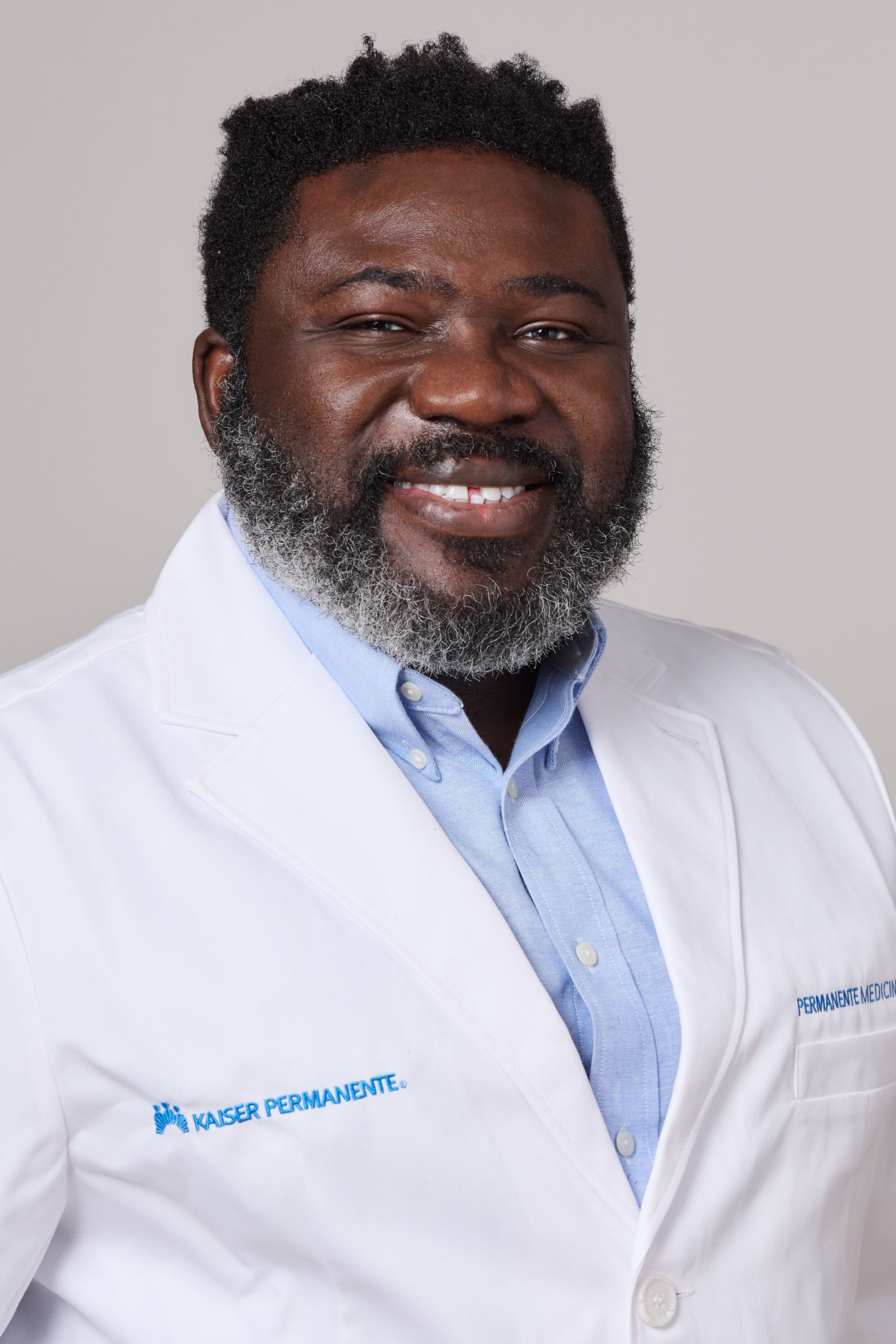
Adae Amoako, MD, family and sports medicine doctor, Kaiser Permanente