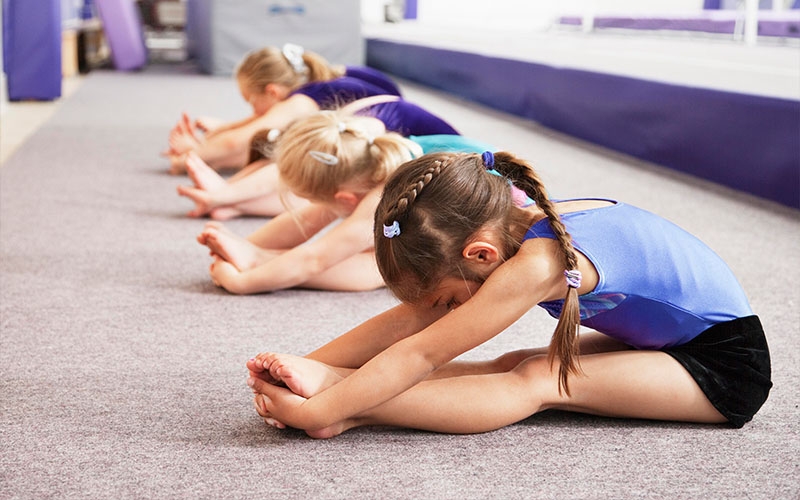
What is the best age to start gymnastics?

Discover the lifelong benefits of youth gymnastics classes—from stronger bodies to more confident minds.
If you’ve ever watched a child tumble, leap, or hang upside down with joy, you’ve seen the magic that movement brings. That’s exactly what youth gymnastics classes are all about—channeling that boundless energy into strength, confidence, and growth. Many parents wonder what age to start gymnastics, but the truth is, every child’s journey begins when they’re ready to explore movement and develop new skills in a fun, supportive setting.
In this guide, we’ll explore the benefits, stages, and practical steps to help you determine when to start gymnastics, enabling your child to thrive both physically and emotionally.
Decide If Gymnastics Is Right for Your Child
Before parents decide when to start gymnastics, it’s essential to consider whether this sport aligns with their child’s personality, interests, and energy level. Every child develops differently, and gymnastics can help them learn valuable skills, both physical and emotional, that last well beyond the gym.
Is Your Child Ready?
While there’s no strict age to start gymnastics, certain traits can help parents decide when to enroll their child. If your child has high energy, natural coordination, an interest in movement, or loves to perform, they may be ready to begin gymnastics. Even if they’re shy, gymnastics instruction can help them develop independence, focus, and confidence.
Explore the Benefits of Gymnastics
Gymnastics is more than flips and cartwheels. Here are some of the benefits it can provide.
1. Physical Benefits of Gymnastics for Children
- Total Body Strength and Flexibility: Gymnastics helps kids develop core strength, muscle control, and overall flexibility from a young age. Movements like rolls, handstands, and cartwheels engage every major muscle group, laying a strong foundation for athleticism across all sports.
Bonus: Increased flexibility can also help prevent future injuries in and outside the gym.
- Balance and Coordination: Through repeated practice on balance beams, bars, and floor routines, children improve fine and gross motor skills, balance, and body awareness—skills that transfer to other sports, dance, or even everyday activities like walking up stairs or riding a bike.
2. Mental and Emotional Development
- Confidence and Independence: Mastering a new skill, whether it’s a forward roll or a back handspring, gives children a boost in self-esteem. Gymnastics classes teach kids how to set goals, work towards them, and feel proud when they succeed.
- Discipline and Focus: Gymnastics requires listening skills, patience, and attention to detail, making it an ideal activity to foster concentration and self-discipline. These habits often extend to better performance in school and other structured environments.
3. Social and Emotional Growth
- Teamwork and Friendship: While gymnastics may seem like a solo sport, youth gymnastics classes are highly social. Children learn to encourage peers, respect coaches, and celebrate each other’s wins, promoting emotional intelligence and empathy.
- Resilience and Growth Mindset: Mistakes are part of gymnastics—and kids learn that falling is okay as long as they get back up. This mindset teaches resilience and perseverance, which can benefit them in life’s bigger challenges.
Choose the Best Age to Start Gymnastics
Toddler & Preschool Programs (18 months–4 years)
Many gyms offer toddler and preschool gymnastics classes as early as 18 months. At this young age, the focus is on having fun, developing coordination, balance, and engaging in play-based movement. While it’s not about Olympic skills, it’s a great time to help children build positive associations with exercise, physical activity, and structured group instruction.
Elementary Age (4–11 years)
For most kids, this is the best age to start gymnastics. Between the ages of 4 and 11, children naturally develop strength, flexibility, and body awareness. At this level, training focuses on skill development, social growth, and building confidence. It’s also when many young athletes begin learning more structured routines and may move toward beginner recreational or competitive programs.
Teens and Older Starters (12+ years)
It’s never too late to begin gymnastics. Teens and older athletes may need more practice to catch up on basic skills, but they can still gain confidence, strength, and flexibility. Many choose to start gymnastics at this age for cheer, dance, fitness, or simply for fun. With supportive instructors and consistent training, older starters can achieve success and enjoy the sport on their own terms.
Choosing the Right Youth Gymnastics Program
Explore Local Options
Parents have many options when choosing where kids start gymnastics: community gyms, competitive clubs, recreational programs, or school-based classes. Each program offers different levels of instruction, support, and opportunities to compete. Locations like The St. James sports complex in Springfield, VA provide premier, tailored youth gymnastics classes led with expert guidance.
Understand Levels and Divisions
Beginner programs introduce the basics, while recreational classes focus on fun and physical development. For children with bigger goals, pre-team and competitive tracks offer structured training and preparation for elite competition. It’s important to match the level to your child’s interest, ability, and commitment.
Prepare for Enrollment
Visit and Evaluate Gyms
Before enrolling, take the time to visit potential gyms. When researching youth gymnastics classes, look for programs that offer:
- Certified, experienced coaches
- A safe, clean, and welcoming environment
- Age-appropriate equipment
- Positive and encouraging instruction
- Clear progression levels or goals
Tip: Visit the gymnastics gym before enrolling and ask to observe a class. Gyms likeThe St. James offer complimentary open-gym access to members. Explore the benefits of becoming a member today.
Understand Costs and Commitments
Parents should consider all aspects of the investment. Training fees, uniforms, travel costs, and time commitments can vary depending on whether your child participates in a recreational or competitive program. Having clarity on commitments ensures long-term success and reduces stress for both children and parents.
Support Your Child’s Gymnastics Journey
- Encourage Effort Over Perfection: Praise your child for their persistence and improvement, rather than focusing on flawless performance.
- Promote Healthy Habits: Support their physical well-being by encouraging balanced nutrition, adequate rest, and incorporating cross-training with other activities.
- Balance Gymnastics with Life: Help your child strike a balance between school, play, and gymnastics to enjoy a healthy, sustainable lifestyle.
Final Thoughts: Let Your Child Thrive Through Gymnastics
So, what is the best age to start gymnastics? While many parents choose to begin as toddlers or in early elementary years, there’s no wrong time to start. The key is finding a program that meets your child’s needs, supports their goals, and helps them grow as an athlete and as a person.
Whether your child is a bundle of energy or looking for a confidence boost, kids' gymnastics training provides a fun, structured environment for growth. The benefits—physical, mental, and emotional—are undeniable and lasting.
If you’re looking to enroll your child in gymnastics classes for kids, now is the perfect time. Let them explore, flip, jump, and discover their strength—one cartwheel at a time.
Youth gymnastic classes near DC, VA, and MD are now enrolling at The St. James.