

Cryotherapy for Athletes: How It Works and What the Research Says
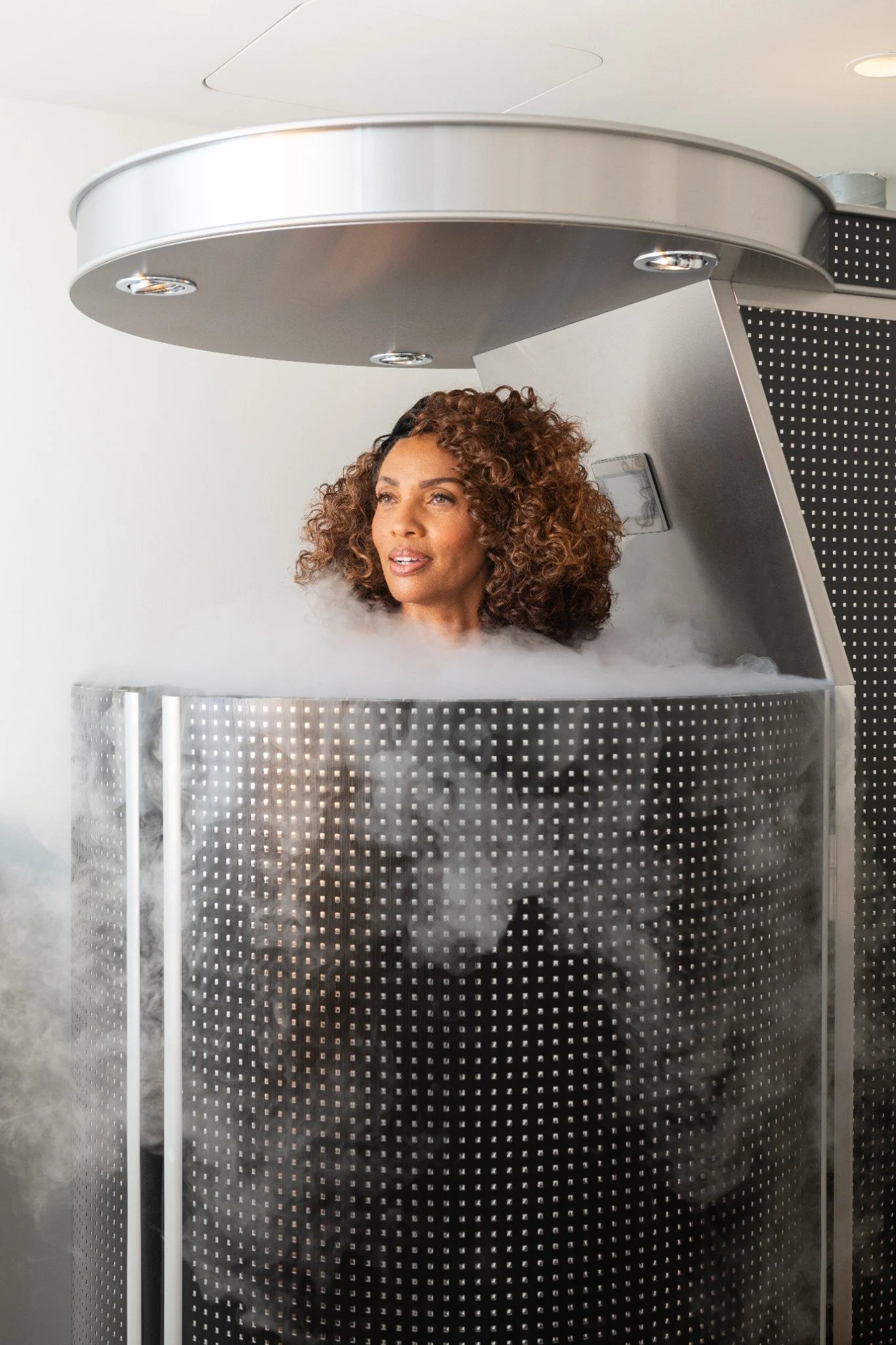
Cryotherapy for athletes has moved from elite training rooms into mainstream performance centers, but understanding what the research actually supports helps athletes use it strategically rather than chase recovery trends. This guide explains the science behind whole-body cryotherapy, compares it to cold plunge, and identifies who benefits most from integrating cold therapy into their training program. And while athletes have driven cryotherapy's popularity, the recovery benefits, including reduced inflammation, less muscle soreness, and better sleep, apply just as much to weekend warriors, people managing chronic pain, and anyone recovering from everyday physical stress.
What Is Cryotherapy?
Whole body cryotherapy exposes athletes to extremely cold, dry air inside an enclosed chamber for two to four minutes. Unlike cold water immersion, cryotherapy uses nitrogen-cooled or electric chambers that drop temperatures between -200°F and -250°F without the hydrostatic pressure of water.
Cryotherapy in sports typically takes two formats:
- Whole-body chambers: Full enclosures that surround the entire body with cold air for systemic recovery benefits
- Localized cryotherapy: Targeted cold therapy applied to specific joints or muscle groups, ideal for addressing isolated soreness
Cryotherapy for athletes functions as a recovery and performance tool rather than a medical treatment. Athletes, especially injured athletes, should consult a sports medicine professional before incorporating cold temperatures into their routine.
How Does Cryotherapy Support Athletic Recovery?
The sections below show which recovery goals cryotherapy can support.
Does Cryotherapy Reduce Inflammation and Muscle Soreness?
Exposure to extreme cold causes blood vessels to constrict rapidly, reducing blood flow to the skin. This vasoconstriction response helps reduce inflammation by limiting pro-inflammatory cytokines like IL-1β and TNF-α.
A 2025 meta-analysis of 11 randomized controlled trials found significantly lower IL-1β levels in athletes exposed to whole-body cryotherapy. Athletes also report reduced delayed onset muscle soreness after whole-body cryotherapy sessions. This anti-inflammatory effect remains the primary reason professional athletes and weekend warriors alike seek out cold therapy.
Can Cryotherapy Speed Up Recovery Between Training Sessions?
Athletes on compressed schedules often struggle with recovery time between competitions, needing performance recovery within 24 to 48 hours. Whole-body cryotherapy (WBC) supports functional recovery by reducing neuromuscular fatigue and restoring force production compared to passive rest.
WBC significantly improved countermovement jump performance from 1 to 72 hours post-treatment, reinforcing cryotherapy's value for athletes who need to quickly perform again. Session frequency matters more than duration, and athletes typically see better results from two to four cryotherapy sessions per week rather than extending individual sessions beyond three or four minutes.
Does Cryotherapy Support Mental Recovery and Sleep Quality?
Cold exposure can trigger a shift from sympathetic activity toward parasympathetic nervous system activity. This rebound effect, combined with the release of endorphins and norepinephrine, may contribute to the mood lift many athletes report after sessions.
Training programs often overlook mental recovery. For athletes managing both physiological fatigue and psychological stress during demanding in-season schedules, this benefit deserves attention.
Cryotherapy vs. Cold Plunge: What Is the Difference for Athletes?
While the benefits of cold plunging and cryotherapy both support recovery, they work through different mechanisms. Here's how they compare:
Factor | Cold Plunge (CWI) | Cryotherapy (WBC) |
Temperature | 50-59°F water | -200°F to -250°F dry air |
Duration | 10-15 minutes | 2-4 minutes |
Mechanism | Hydrostatic pressure + deep cooling | Rapid skin temperature drop |
Best for | Deep muscle soreness, endurance recovery | Systemic inflammation, time efficiency |
Cold plunge provides deeper muscle cooling through direct water immersion. Cryotherapy delivers faster sessions with dramatic skin cooling while core temperature remains stable.
The Courted Recovery Suite at The St. James offers both recovery modalities alongside the benefits of red light therapy, compression therapy, PEMF, and infrared sauna. This allows athletes to select the right tool for their specific recovery needs.
How Should Athletes Use Cryotherapy Within a Training Program?
Timing and frequency determine whether cryotherapy leads to smarter recovery, better performance, or becomes a wasted step.
Post-Training Use for Acute Recovery
As one of the best ways to recover after a workout, the optimal window for cryotherapy falls within one to two hours after intense exercise or competition2. This post-exercise recovery timing helps initiate inflammation reduction while the body remains in an elevated metabolic state.
Schedule sessions around your highest-intensity training days to make the weekly cadence purposeful. Keep each session within the facility's recommended time limit. Working with a personal trainer in DC can help integrate cryotherapy into a structured recovery plan.
In-Season vs. Off-Season Application
During competitive seasons, athletes use cryotherapy to accelerate recovery and manage accumulated fatigue from frequent games or matches. Off-season training applications shift toward supporting high-volume blocks and return-to-play protocols following injury.
One important caveat: Avoid cryotherapy immediately after strength sessions focused on muscle growth, such as during post-leg-day recovery. Cold exposure may blunt the anabolic signaling pathways that drive hypertrophy adaptations, which help muscles grow after training.
What Should First-Time Users Expect During a Cryotherapy Session?
Walking into a cryotherapy chamber for the first time can feel intimidating. Knowing what to expect makes the experience more comfortable.
Here's what happens during each phase:
- Before: Wear minimal clothing (shorts, sports bra, underwear) with protected extremities (socks, gloves, ear covering), and ensure skin is completely dry.
- During: Enter a vestibule area first to acclimate, then spend two to three minutes in the main chamber, where the intense cold feels challenging but tolerable, and keep moving slowly to maintain circulation.
- After: Expect temporary skin redness as body temperature normalizes. Most athletes report an immediate mood lift and increased alertness.
Trained staff should always supervise sessions in a controlled environment. The experience differs significantly from the shock of jumping into cold water.
Who Benefits Most from Cryotherapy?
Cryotherapy proves most beneficial for athletes with specific profiles and training demands:
- Team sport athletes: Compressed game schedules demand rapid recovery between competitions.
- Endurance athletes: Cumulative fatigue from high training volumes requires consistent muscle recovery support.
- Combat and contact sport athletes: Soft tissue inflammation from repeated impact responds well to cold therapy.
- Strength athletes: High-volume training phases benefit from faster recovery, with the hypertrophy caveat noted above.
- Active adults: Whether you're training for a race or just staying consistent with workouts, the recovery benefits of reduced inflammation and better sleep aren't reserved for competitive athletes.
Active adults and busy professionals who want to train like an athlete also find value in cryotherapy's time efficiency. A three-minute session fits easily into packed schedules while delivering meaningful recovery support.
Youth athletes managing muscle soreness in structured development programs can benefit from cryotherapy with appropriate guidance. Programs like youth performance training at The St. James help young athletes understand how recovery tools fit within their overall athletic development.
Cryotherapy Isn't Just for Athletes
Recovery deserves the same attention as training itself, and cryotherapy fits into that plan for anyone who wants to:
- Bounce back faster after workouts, travel, or physically demanding days
- Manage everyday aches, stiffness, and inflammation
- Sleep better and recover mentally, not just physically
- Build a consistent recovery habit instead of only using it when something hurts
- Treating recovery as part of a training plan, rather than an afterthought, is what turns occasional cold exposure into a real performance advantage.
Access Cryotherapy at The St. James
The St. James Performance Club locations in Springfield and Bethesda offer whole-body cryotherapy through the Courted Recovery Suite. Members have access to cryotherapy alongside cold plunge, red light therapy, compression therapy, PEMF, and infrared sauna.
Performance Club membership includes unlimited access to recovery services, elite training facilities, expert coaching, and programming across 20+ sports. Explore membership at Springfield or Bethesda to make cryotherapy a consistent part of your training program.
Sources
- Nature. Whole-body cryotherapy can reduce the inflammatory response in humans: a meta-analysis based on 11 randomized controlled trials. https://www.nature.com/articles/s41598-025-90396-3.
- Frontiers. Impact of different cryotherapy interventions on post-exercise acute delayed-onset muscle soreness, athletic performance, and inflammatory biomarkers: a systematic review and network meta-analysis. https://www.frontiersin.org/journals/sports-and-active-living/articles/10.3389/fspor.2026.1819396/full.
- PubMed Central. Health effects of voluntary exposure to cold water – a continuing subject of debate. https://pmc.ncbi.nlm.nih.gov/articles/PMC9518606/.
- PubMed Central. Is the ice bath finally melting? Cold water immersion is no greater than active recovery upon local and systemic inflammatory cellular stress in humans. https://pmc.ncbi.nlm.nih.gov/articles/PMC5350472/. PubMed. Post-exercise cold water immersion attenuates acute anabolic signalling and long-term adaptations in muscle to strength training. https://pubmed.ncbi.nlm.nih.gov/26174323/.