


Ready for summer fun in the sun? Keep your family safe with these tips
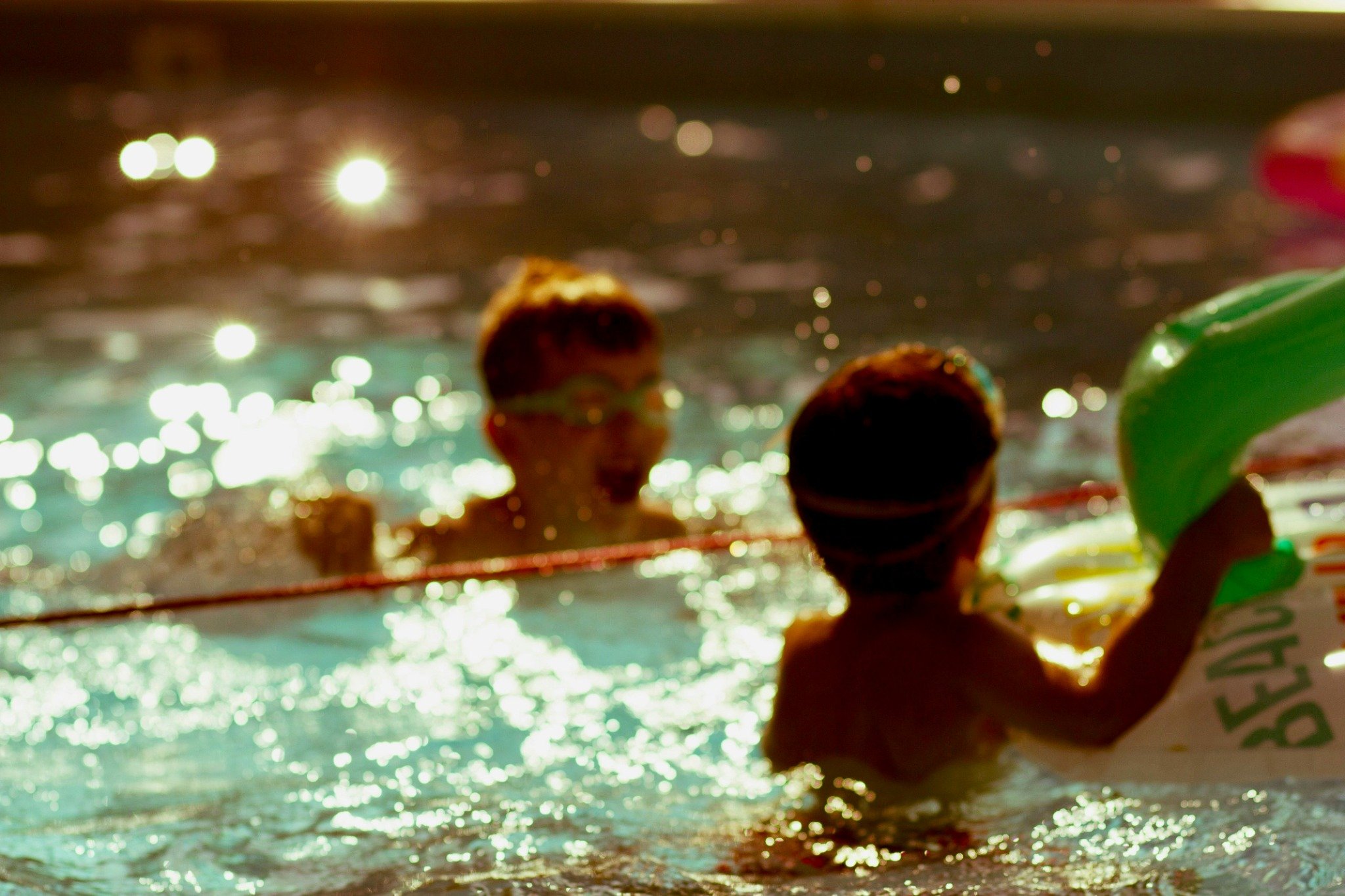
Ready for summer fun in the sun? Keep your family safe with these tips.
Dipanwita Saha, MD, a pediatrician at Kaiser Permanente
After a long, cold winter, we’re even more excited to dive into summer and all the warm-weather activities it brings. But with those activities, such as swimming, sunning, and other outdoor adventures, come safety and health risks. Here’s what you need to know to help your family enjoy the season while staying safe.
Start swim lessons early
If you have young children, teach them to swim or arrange swim lessons early, even as early as 6 months old. According to research, drowning is the leading cause of death for children aged 1 to 4 years old, so teaching them to swim at an early age can help prevent drowning. Learning early can also help children build familiarity and a comfort level in the water.
And if you’re an adult whose never learned to swim, it’s not too late. Many municipal facilities offer adult lessons, and you can schedule lessons to coincide with your child’s so you’re learning together.
Practice pool and water safety
When your family and friends are enjoying fun at the pool or the beach where there is no lifeguard, make sure to designate someone (a good swimmer) to watch children playing in the water. Make it clear to the designee(s) that they should not use a mobile phone or drink alcohol while watching, and also whose children they should be guarding.
Flotation devices, like water wings, can add a layer of protection for younger or less-experienced swimmers, and should be worn or used properly in the water. It’s important to note that these devices don’t replace a designated watcher keeping an eye on young swimmers. Avoid using water wings and inflatable toys while swimming; they don't prevent drowning and they deflate. The safest floating device is a life jacket, that fits properly and is approved by the U.S. Coast Guard.
If your children are in their teens, have a talk with them about steering clear of drugs, alcohol, or other substances in general but especially when swimming. If there’s no supervision, they should swim with a friend and avoid going alone to a pool.
Here are some other pool safety tips for your family to follow:
- Don’t use inflatable pool toys when young children are swimming in water above their waist.
- Remove all toys from the pool when not in use to prevent children from falling in while reaching for a toy.
- Install an alarm or bell on doors leading from the house to the pool, so it will sound when opened unexpectedly.
- Keep rescue equipment, such as a life ring or safety hook, next to the pool.
- Secure steps and ladders on above-ground pools to keep children from climbing in.
Protect yourself and your family against pests
We’re not the only ones excited about warmer weather. This time of year, ticks, mosquitos and other pests come out to enjoy the higher temps too, so make sure you protect yourself and your family when hiking or biking or just relaxing in the backyard:
- Spray insect repellent directly to any area of skin that will be exposed and also to clothing and hats.
- Use repellent with DEET, specifically made for ticks when hiking or walking in tall grassy areas.
- Wear light-colored long pants and long-sleeved shirts.
- Ask a friend or family member to help you check your skin for ticks when returning from outdoor activities, including in and behind the ears, behind knees, under arms, and in the groin area.
If you do find a tick, remove it as quickly as possible with tweezers, making sure to grasp the tick fully before pulling. Ticks with Lyme disease must be attached for 36 hours before they pose a risk so be sure to remove it right away.
Wear citronella-based insect repellent to keep mosquitos away and avoid areas with standing water where mosquitos can breed.
Use sunscreen often and liberally
Whether it’s sunny or overcast outside, be sure to apply sunscreen with an SPF (sun protection factor) of at least 30. Apply 30 minutes before going outside, and reapply every 60-90 minutes, especially if you’re in the pool or sweating. For younger children and babies, its best to keep them out of direct sun exposure, but when they are outdoors, they should wear a fully brimmed sun hat. Pediatric dermatologists recommend mineral sunscreens with key ingredients of zinc oxide and titanium oxide
Stay hydrated, especially when active
Hydration needs will be different based on outdoor temperatures and how active you are. It’s ok to drink water, but sports or hydration drinks are much better at replacing lost electrolytes. Check labels first to avoid high sugar amounts in drinks. Older kids and adolescents can try liquid IV or electrolyte tabs that have electrolytes without sugar.
Now that summer’s here, take advantage of all it has to offer, but play it safe so that you and your family can make the most of it.
____________________
Kaiser Permanente is honored to partner with The St. James to help keep our young athletes healthy and thriving, both on and off the field. Visit our website for more pediatrics advice and expertise from Kaiser Permanente.
The Mid-Atlantic Permanente Medical Group is one of the nation's premier multispecialty medical groups and is the largest integrated medical group in Maryland, Virginia and the District of Columbia. Founded in 1980, the medical group has more than 1,800 Permanente physicians spanning more than 65 specialties. Together, we serve approximately 750,000 Kaiser Permanente members in Maryland, Virginia, and the District of Columbia at 35 area medical centers, plus several community hospitals and skilled nursing facilities.