


How to Get Better at Volleyball
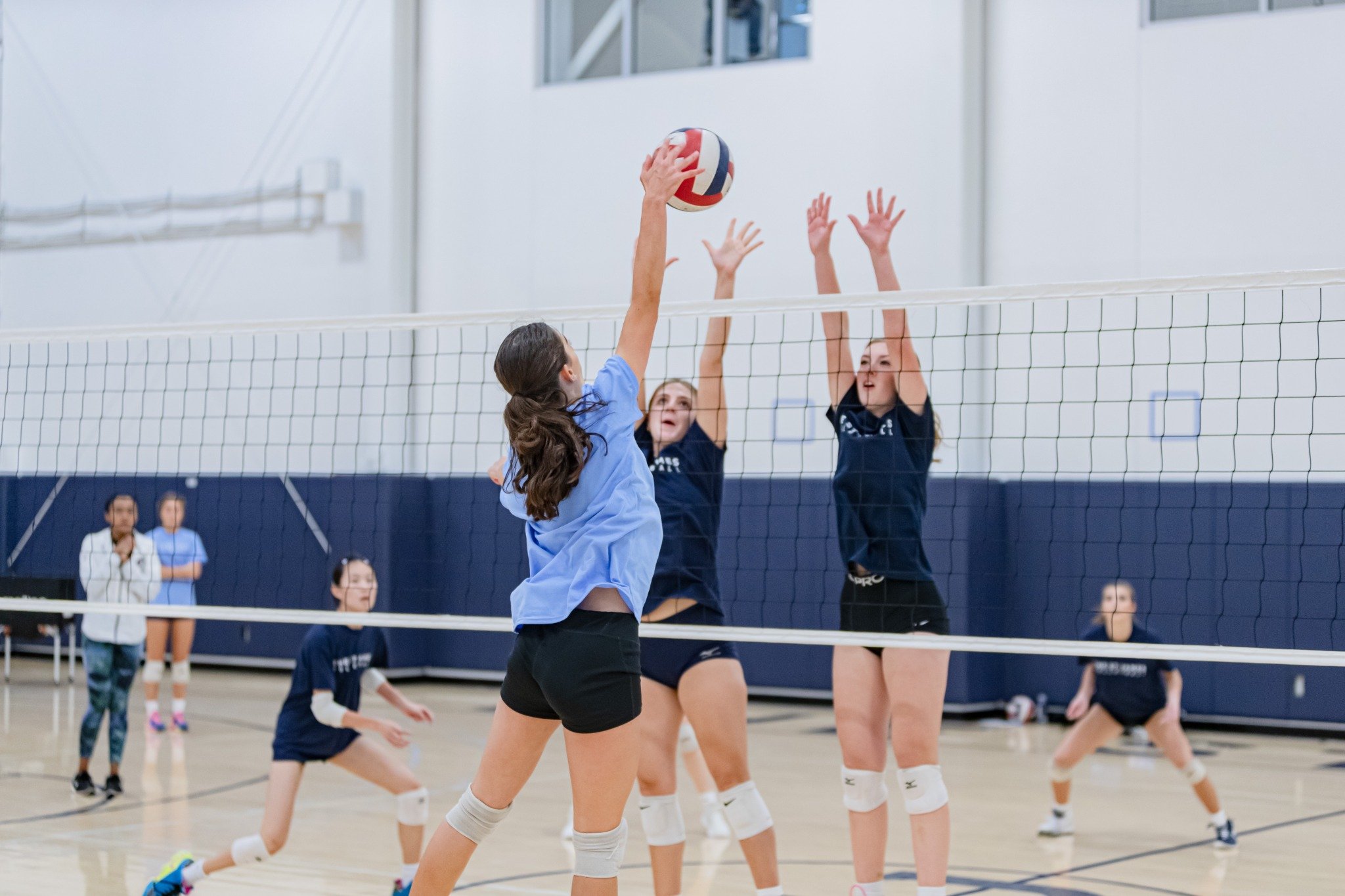
How to Get Better at Volleyball: Skills, Drills, and Practice Habits
For young volleyball athletes and the parents supporting them, improvement often feels uneven. One day, everything clicks, and the next, even simple passes feel off. That’s normal. Volleyball is a sport built on timing, precision, and trust, which are skills that take consistent repetition and patience to develop.
At its core, learning how to get better at volleyball is about building habits—not just technical skills, but movement patterns, communication, and confidence under pressure. Progress comes from stacking small wins over time, not chasing instant perfection.
This long-term, development-first mindset reflects the philosophy behind The St. James Performance Club: a structured, supportive environment where athletes grow through repetition, expert coaching, and a genuine love of the game.
What Skills Matter Most in Volleyball?
In volleyball, no single skill stands alone. Every rally connects multiple actions and the quality of each pass, set, or hit affects the next. Here’s how the core skills break down:
Passing and Serving Fundamentals
Passing is the foundation of everything. A controlled, accurate first touch sets up the entire offense. Young volleyball players should focus on platform angle, body positioning, and staying balanced through contact.
Serving, on the other hand, is the one skill fully in your control. Consistency matters more than power early on. A reliable serve puts pressure on the opposing team and builds confidence from the start of each rally.
Setting and Hitting
Setting is about precision and decision-making. Good setters create opportunities for great play. Clean hand contact, quick footwork, and awareness of hitters all play a role.
Hitting the ball brings everything together through approach, timing, and arm swing. Many athletes struggle here not because of strength, but because of timing. Learning when to jump for a spike and trusting that timing takes repetition.
Footwork and Court Movement
Volleyball is a game of constant motion. Quick, efficient footwork allows players to get into position early, which makes every other skill easier. Focus on:
- Staying low and balanced
- Taking small adjustment steps
- Transitioning quickly between offense and defense
Communication and Game Awareness
Volleyball is a team sport in the truest sense. Players who communicate early and often elevate everyone on the court.
On the other hand, game awareness develops over time. Recognizing patterns, anticipating plays, and making quick decisions are what separate consistent players from hesitant ones.
Conditioning for Volleyball
Explosive movements such as jumping, diving, quick lateral shifts require strength and endurance. Conditioning doesn’t need to be complicated, but it should be consistent. Consider the following:
- Short bursts of speed and agility drills
- Core strength exercises for stability
- Jump training for power and control
How Can You Get Better at Volleyball Fast?
There’s no shortcut to getting better at volleyball, but there are ways to accelerate your improvement. The key is focused, intentional practice. Instead of just “playing more,” break you can break your time into targeted work:
- 10–15 minutes of passing against a wall
- Repetition-based serving routines
- Footwork drills without a ball
- Reaction drills with a partner
This kind of deliberate practice helps athletes improve faster because it isolates skills and builds consistency. Still, it’s important to keep expectations grounded. Even with the best routines, progress takes time. Quick improvement comes from consistency, not intensity alone.
How Often Should You Practice Volleyball to Improve?
Consistency beats occasional effort every time. For most young athletes:
- 2–3 team practices per week build structure and game experience.
- 2–4 short individual sessions reinforce fundamentals.
These individual sessions don’t need to be long. Even 20–30 minutes of focused repetition can make a difference. Parents can help by encouraging manageable routines instead of overwhelming schedules.
For younger or newer players, programs like beginner youth sports programs provide structured introductions to movement, coordination, and foundational skills that carry into volleyball and other sports.
Practical Ways to Improve Between Practices
What athletes do outside of team practices often determines how quickly they improve.
Here are simple, effective ways to build consistency:
Wall Drills
A wall is one of the best training tools available. You can use it for drills by:
- Passing repeatedly to a target spot
- Setting against the wall to refine hand contact
- Practicing controlled hits at lower intensity
These exercises build touch and consistency without needing a full court.
Footwork and Reaction Training
Even without a ball, athletes can train through:
- Ladder drills for quick feet movement
- Shuffle and sprint combinations
- Reaction-based movements with a partner or coach
Better movement leads to better positioning, and better positioning makes every skill easier.
Serving Routines
Serving is one of the easiest skills to practice independently. Athletes benefit from setting a goal for each training session. For example, you can try performing 10 successful serves in a row or aiming for specific zones on the court. This helps track consistency over time.
Communication Habits
It might sound simple, but communication is a skill. Encourage athletes to:
- Call every ball clearly
- Use consistent phrases (“mine,” “help,” “out”)
- Support teammates after mistakes
Confidence grows when communication becomes second nature.
Why Am I Not Improving at Volleyball?
Plateaus are part of the process. Here are a few common reasons why players feel stuck:
- Inconsistency in practice: Improvement comes from repetition. Practicing only once in a while makes it hard to build lasting habits.
- Focusing only on games: Games are important, but they don’t replace skill work. Without focused practice, it’s hard to fix technical issues.
- Timing and hesitation: Many players struggle with timing, especially when hitting or setting, and hesitation often makes this worse. Confidence comes from trusting your preparation.
- Frustration with mistakes: Mistakes aren’t setbacks; they’re feedback. Athletes who learn to adjust instead of getting discouraged tend to improve faster over time.
This is where coaching, structure, and environment matter. A supportive setting helps athletes stay patient, resilient, and open to learning.
Building Confidence Through Repetition and Team Play
When athletes pass the ball cleanly hundreds of times, practice their serve until it feels automatic, and communicate consistently with teammates, they begin to trust their skills. That trust shows up in matches, especially under pressure.
Team environments also play a major role. Playing alongside supportive teammates and learning from structured coaching helps athletes connect individual skills to real game situations.
Cross-training can even help. Participation in other sports, like youth basketball programs, builds coordination, agility, and spatial awareness that translate well to volleyball.
Take a Long-Term Approach to Volleyball Development at The St. James Performance Club
Volleyball rewards patience. Athletes who stick with the process, focus on fundamentals, stay coachable, and embrace repetition tend to see the biggest gains over time. If you're looking for volleyball near the DC metro area, The St. James offers programs built around that same progression, from fundamentals to competitive play.
For families looking to support that journey, structured programs can make a difference. Opportunities like summer camps for kids and specialized volleyball summer camps provide focused environments where athletes can build skills, gain confidence, and learn from experienced coaches.
At The St. James Performance Club, that development pathway is intentional. With professional-level facilities, expert instruction, and a focus on long-term growth, athletes are given the tools to improve—not just for the next game, but for the seasons ahead. Because in volleyball, progress is about becoming more consistent, more confident, and more connected to the game every time you step on the court.
Sources
- ResearchGate. The role of team collaboration and communication in volleyball matches. https://www.researchgate.net/publication/375536487_The_role_of_team_collaboration_and_communication_in_volleyball_matches.
- ScienceDirect. Dealing with failure in junior elite beach volleyball teams: Why trying to help can make things worse. https://www.sciencedirect.com/science/article/abs/pii/S1469029226000853.