


Cold Plunge After Workout: How to Do it, Benefits, & Timing
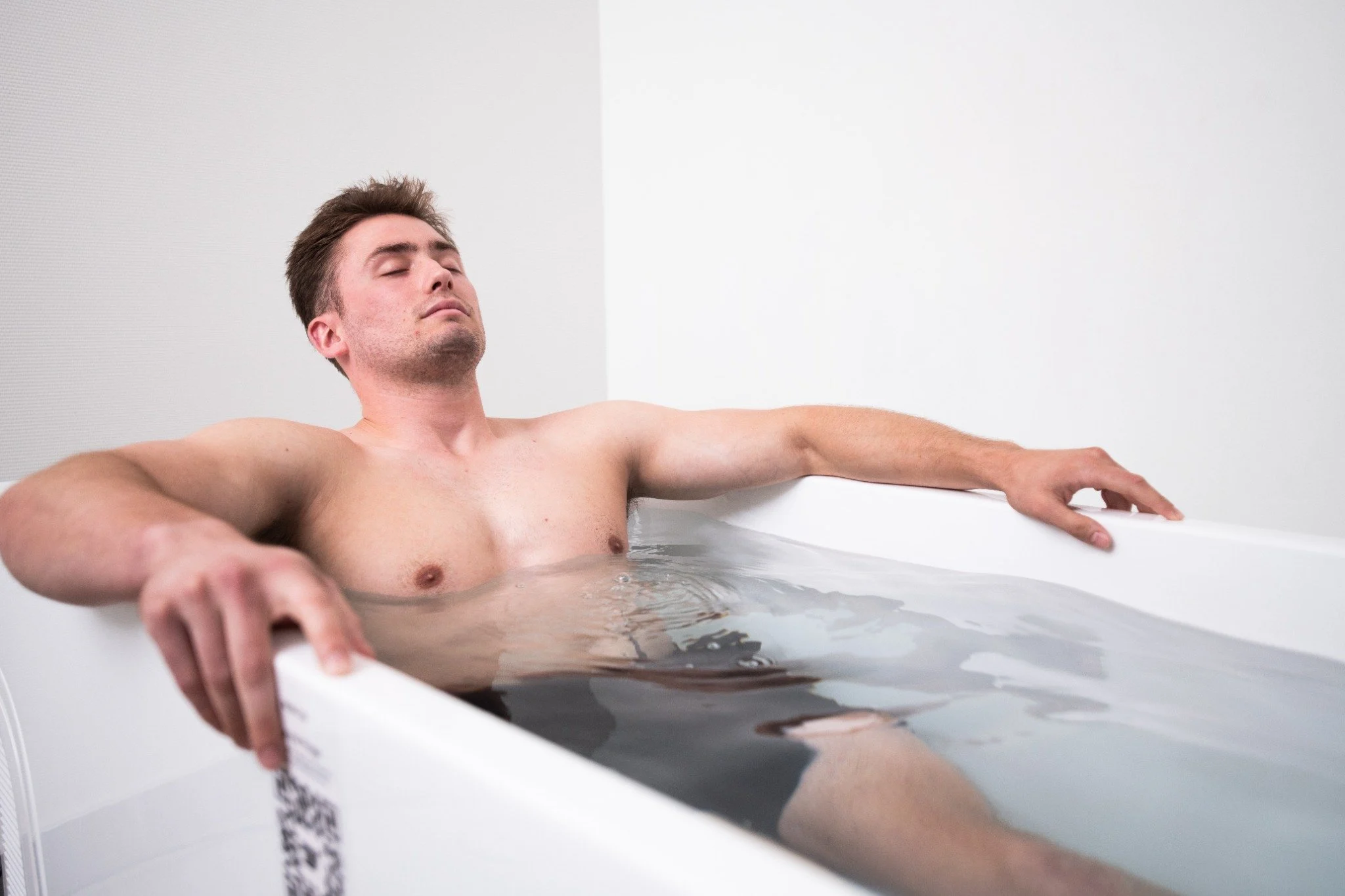
Cold Plunge After Workout: Benefits, Timing, and Best Practices
Cold plunge recovery has gone from niche sports science practice to mainstream fitness trend in what feels like the blink of an eye. Professional athletes swear by it after grueling competitions. Wellness influencers post videos climbing into freezing tubs before sunrise. Recovery centers across the country are adding dedicated cold immersion systems to their offerings.
When used strategically, cold plunge after workout sessions can reduce soreness, improve recovery between demanding sessions, and help athletes maintain performance during periods of heavy training. But timing, training goals, and consistency all matter. This guide breaks down how cold water immersion affects the body, and how to incorporate it into your recovery routine effectively.
What Is a Cold Plunge?
A cold plunge or cold water immersion (CWI) involves submerging the body in cold water, typically at 50°F or less, for a short period after exercise. Sessions usually last anywhere from a few minutes to about 15 minutes, depending on experience level and recovery goals.
Different from simply taking a cold shower, a cold plunge offers a full-body immersion that creates a far more significant physiological response. When much larger portions of the body are submerged, the cardiovascular, muscular, and nervous systems all react simultaneously in ways localized exposure cannot fully replicate.
While social media has popularized the trend, cold immersion is hardly new. Elite athletes and professional sports organizations have used cold therapy for decades to support recovery during demanding training blocks and competitive seasons.
What’s changed is accessibility. Today, purpose-built cold plunge systems are available in high-performance training and wellness environments, making the practice more practical, hygienic, and consistent for everyday athletes.
What Does a Cold Plunge Actually Do to Your Body?
Cold water immersion affects several interconnected systems throughout the body. Understanding those mechanisms helps athletes use it intentionally instead of treating it like an all-around recovery tool.
Does a Cold Plunge Reduce Muscle Soreness?
One of the strongest evidence-supported benefits of a cold plunge after workout sessions is reducing delayed onset muscle soreness (DOMS). Multiple reviews have shown that cold water immersion can meaningfully reduce soreness following intense exercise, particularly when used within the first one to two hours after training. The primary mechanism is vasoconstriction. Cold exposure narrows blood vessels, which may reduce fluid accumulation and inflammatory activity in stressed muscle tissue.
Athletes often notice the greatest benefit after endurance sessions, tournaments, or high-volume training days where accumulated fatigue is substantial. That doesn’t mean soreness disappears instantly, but many athletes report feeling less heavy, stiff, and fatigued the following day.
How Does Cold Water Immersion Affect Circulation?
Cold exposure creates a temporary narrowing of blood vessels called vasoconstriction. During immersion, blood flow shifts inward toward the body’s core to preserve temperature regulation.
Once the session ends and the body begins warming again, vasodilation occurs. Blood vessels widen, increasing circulation back into the muscles. Many recovery specialists believe this “flushing” effect may help remove metabolic byproducts associated with intense training.
This shift in blood flow is also why cold plunge therapy often pairs well with heat therapy in contrast recovery protocols. Alternating between hot and cold exposure creates repeated vascular changes that some athletes find especially beneficial during periods of heavy training volume.
Can a Cold Plunge Reduce Inflammation After Training?
Cold exposure appears to reduce inflammatory signaling and prostaglandin production following exercise. However, inflammation is not inherently bad. In fact, some degree of inflammation is necessary for muscle repair and adaptation. Strength athletes focused primarily on muscle growth should understand that frequent cold plunge immediately after hypertrophy-focused lifting sessions may blunt some anabolic signaling involved in muscle development.
That doesn’t make cold immersion “bad” for strength athletes. It simply means timing matters. During in-season competition, tournament weekends, or periods where recovery takes priority over maximizing adaptation, cold plunge can still be extremely useful.
What Does Cold Plunge Do for the Nervous System?
Initially, cold water exposure activates the sympathetic nervous system, triggering adrenaline release and heightened alertness. That immediate shock response is why the first minute often feels mentally challenging. Afterward, many athletes experience a rebound parasympathetic response, shifting the body toward a calmer, more recovered state.
Cold exposure may help improve stress resilience and autonomic recovery over time. Athletes frequently describe feeling simultaneously relaxed and mentally refreshed following consistent cold plunge sessions. This combination can be valuable during demanding training cycles.
When Is the Best Time to Cold Plunge After a Workout?
The ideal timing depends heavily on the type of training you’re doing and your performance goals.
Should You Cold Plunge After Strength Training?
Endurance athletes and team sport athletes tend to see the most consistent benefit from regular post-exercise cold immersion. As they prioritize short-term readiness over long-term hypertrophy, reducing soreness and maintaining performance may outweigh those concerns. Cold plunge recovery can also be valuable during deload periods or high-volume phases where fatigue management becomes the bigger priority.
But if your primary goal is maximizing muscle hypertrophy and strength adaptation, immediately jumping into a cold plunge after workout sessions involving heavy lifting may not always be ideal. Some studies suggest immediate cold exposure can reduce muscle protein synthesis and potentially blunt long-term hypertrophy adaptations.
How Soon After a Workout Should You Cold Plunge?
For recovery-focused use, most research supports cold immersion around 5-10 minutes after training. That timing appears to provide the strongest influence on acute soreness and inflammatory responses.
Waiting several hours may reduce some of the intended recovery effects. Athletes should also avoid rushing directly from maximal exertion into freezing water. Hydrate first, allow heart rate to normalize, and cool down gradually before entering the plunge.
How Long Should You Stay in a Cold Plunge?
Most research-supported protocols fall around 5 minutes at temperatures around 68°F. For beginners, though, starting smaller is often smarter. Two to five minutes can still create a meaningful stimulus while allowing the body to acclimate safely over time.
Longer is not necessarily better. The “dose” of cold exposure depends on both temperature and duration together. Extremely long exposure can create unnecessary stress and discomfort without improving recovery outcomes. Consistency matters far more than chasing extreme sessions.
Cold Plunge vs. Ice Bath: Is There a Difference?
Functionally, cold plunges and ice baths achieve very similar outcomes because both rely on cold water immersion. The main difference is consistency and experience.
Traditional ice baths are often improvised by filling a bathtub with cold water and bags of ice. Purpose-built cold plunge systems maintain precise temperatures, include filtration systems, and offer a cleaner, more controlled recovery environment.
For athletes using cold immersion regularly, that consistency matters. Reliable temperature control allows for more repeatable recovery sessions and a more comfortable overall experience.
Who Benefits Most from Cold Plunge Recovery?
Cold plunge therapy tends to provide the greatest benefit for:
- Endurance athletes managing high weekly mileage or training loads
- Team sport athletes competing multiple times per week
- Athletes during tournament play or in-season competition
- Active adults training frequently and struggling with persistent soreness
- Individuals prioritizing recovery and readiness between sessions
It may be less ideal immediately after hypertrophy-focused lifting sessions where maximizing muscle adaptation is the primary goal. Like most recovery tools, cold plunge works best when matched appropriately to the athlete’s training demands and objectives.
Recover Smarter at The St. James Performance Club
Recovery is about sustaining performance, improving consistency, and giving your body the tools it needs to handle demanding training over time.
At The St. James Performance Club, athletes and active adults can access purpose-built cold plunge systems through the Recovery membership, available at both Springfield and Bethesda locations. The Courted Recovery Suite also includes advanced modalities like cryotherapy, compression therapy, red light therapy, PEMF, infrared sauna, and more—all designed to support comprehensive athletic recovery in one premium environment.
Whether you’re training for competition, balancing high weekly activity levels, or simply looking to recover more effectively between workouts, The St. James Performance Club offers recovery solutions built for real performance. Explore a Springfield membership or Bethesda membership to make cold plunge recovery part of a smarter long-term training routine.
Sources
- Mayo Clinic Health System. Can taking a cold plunge after your workout be beneficial? https://www.mayoclinichealthsystem.org/hometown-health/speaking-of-health/cold-plunge-after-workouts.
- PubMed Central. Effects of cold water immersion after exercise on fatigue recovery and exercise performance--meta analysis. https://pmc.ncbi.nlm.nih.gov/articles/PMC9896520/,
- PubMed Central. Health effects of voluntary exposure to cold water – a continuing subject of debate. https://pmc.ncbi.nlm.nih.gov/articles/PMC9518606/.
- The Ohio State University. Contrast Bath. https://hpc.osu.edu/resources/contrast-bath.
- PubMed Central. The effects of cold water immersion and active recovery on inflammation and cell stress responses in human skeletal muscle after resistance exercise. https://pmc.ncbi.nlm.nih.gov/articles/PMC5285720/.
- Stanford Lifestyle Medicine. Jumping into the Ice Bath Trend! Mental Health Benefits of Cold Water Immersion. https://lifestylemedicine.stanford.edu/jumping-into-the-ice-bath-trend-mental-health-benefits-of-cold-water-immersion/.
- PubMed Central. Post-exercise cold water immersion attenuates acute anabolic signalling and long-term adaptations in muscle to strength training. https://pmc.ncbi.nlm.nih.gov/articles/PMC4594298/.
- PubMed Central. Short-Term Head-Out Whole-Body Cold-Water Immersion Facilitates Positive Affect and Increases Interaction between Large-Scale Brain Networks. https://pmc.ncbi.nlm.nih.gov/articles/PMC9953392/.