

Matters of Movement: Stay in Running Shape
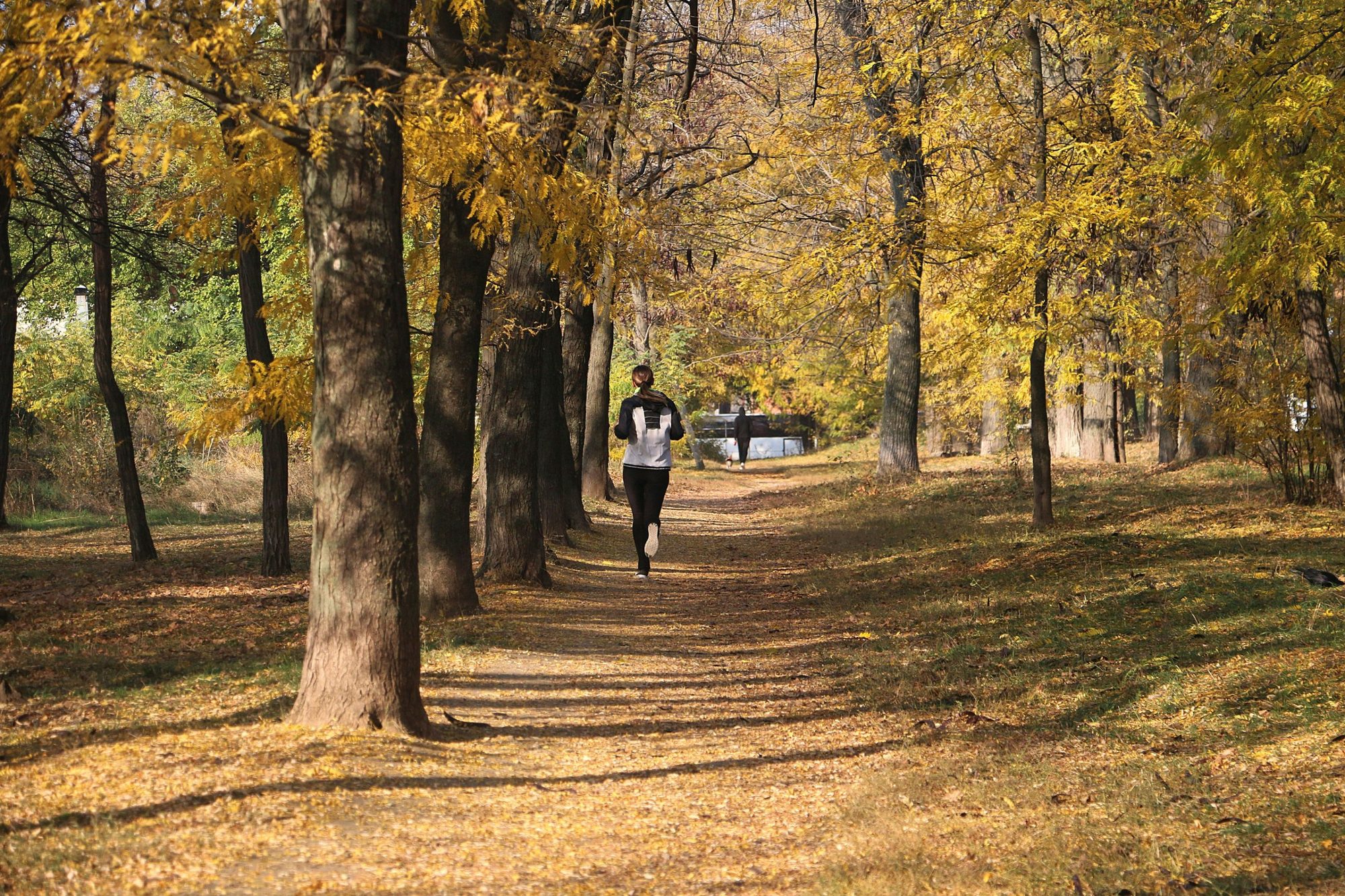
Fall is a great season for runners. Cooler temperatures after a blistering summer and ample race opportunities, particularly here in the DMV, have many people lacing up their running shoes. As mileage and intensity begin to increase, the work runners do in the gym becomes even more important to help them toe the starting line healthy and prepared and ultimately reach their next PR. With demanding training schedules, time in the gym can feel like just another task competing with running, or something that is nice to do when time allows. However, a well-designed strength program should be an important part of a runner’s training.
Running is a high-impact sport, and building strength in the muscles, tendons, and connective tissues can help the body better tolerate its repetitive demands. A consistent routine can also improve running economy and force production, helping runners become more efficient, maintain their mechanics as they fatigue, and better meet the physical demands of their sport. A major emphasis of a runner’s program should be single-leg exercises, such as step-ups, split squat variations, and single-leg deadlifts. Running is essentially a series of single-leg movements, so training unilaterally not only develops strength, but also challenges balance, coordination, and stability through the hip, knee, and ankle. Bilateral compound exercises have an important place as well. Movements such as squats and deadlifts train the body to produce force and allow runners to work with heavier loads than they may encounter with unilateral exercises.
Running already provides a significant amount of muscular endurance, so incorporating heavier, controlled resistance can help develop the strength and force production that complement those demands. While most runners are familiar with exercises like squats, deadlifts, and lunges, special attention should also be given to the smaller muscles of the hip complex that contribute to stability and force production with each step. The gluteus maximus, gluteus medius, and adductors all play important roles in controlling the pelvis and lower extremity during running. Some of my favorite exercises for targeting these areas are glute bridge variations, side plank variations, and Copenhagen planks. And don’t forget the lower leg! These muscles are often neglected in a runner’s program. Calf raises should be performed in both straight- and bent-knee positions to train the different muscles that contribute to calf strength. Seated calf raises and standing calf raises are simple but effective options, and incorporating single-leg variations when appropriate adds another challenge to the lower leg and ankle.
As fall race season gets underway, gym work should support your running, not compete with it. Two focused sessions per week, using appropriately challenging loads and good form, can provide a strong foundation for runners to build resilience, improve force production, and maintain strength throughout a demanding race season. The goal is not to spend hours in the gym—it is to give your body the strength and stability it needs to run strong and arrive at the starting line prepared for race day.