


How To Improve Your Baseball Skills: A Development Guide for Youth Baseball Players and Families
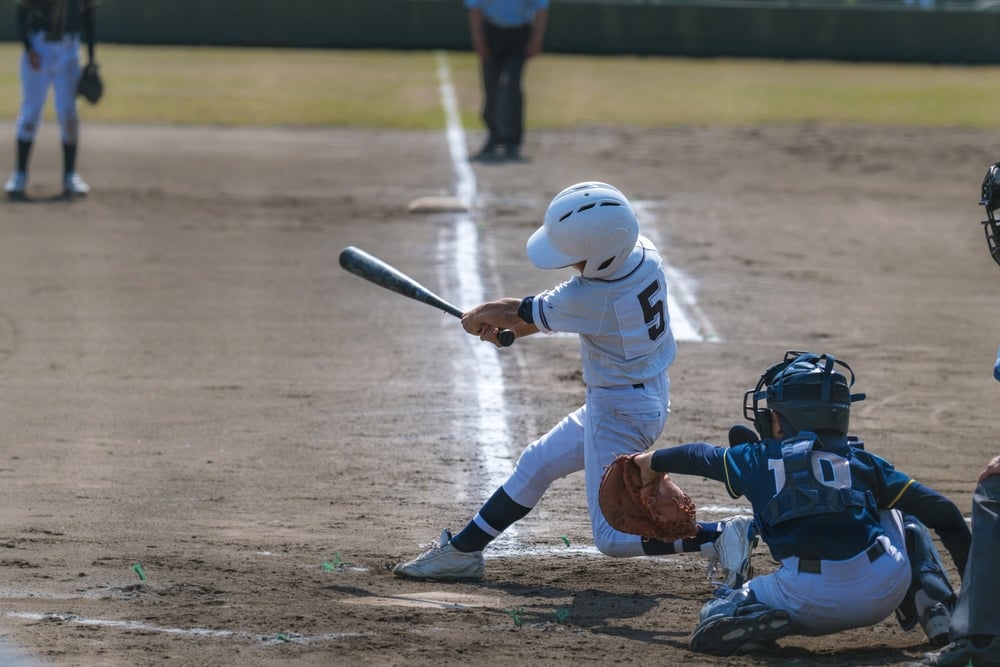
If you want to know how to get better at baseball, it helps to remember one simple truth: Baseball is a game of repetition, resilience, and refinement. There’s no shortcut to overnight success. The athletes who truly improve their baseball skills are the ones who commit to fundamentals, embrace feedback, and put in the work day after day.
For youth baseball athletes and their families, the path forward should feel clear, not overwhelming. When you focus on every aspect of baseball—hitting, fielding, throwing, conditioning, and the mental game—you build the foundation to become a better baseball player over time.
At The St. James, that philosophy drives everything we do: world-class facilities, expert instruction, and a professional environment designed to help baseball players grow in skill and confidence through steady progress.
How Can You Get Better at Baseball Fast?
Every athlete asks this question at some point, but here’s the honest answer: You can accelerate progress, but you can’t skip the process. Consistent and deliberate skill refinement practice leads to measurable performance improvement over time. In other words, quality reps matter more than flashy drills.
If you want to improve your game, prioritize:
- Purposeful repetition
- Feedback from a knowledgeable baseball coach
- Tracking areas for improvement
- Staying consistent with your training routine
A youth player who practices hitting a baseball off a tee with attention to swing mechanics will see more long-term gains than someone simply swinging away in a batting cage without focus. The same goes for fielding a ground ball or tracking fly balls in the outfield. Intentional reps build muscle memory.
Hitting Fundamentals: Building a Better Hitter
Every hitter wants a higher batting average. But to improve your baseball performance at the plate, you have to master the fundamentals.
Strong swing mechanics start with balance, posture, and a controlled swing path. Proper sequencing from the hips, torso, then hands helps generate strength and power while maintaining solid contact.
Here are the key hitting drills you need:
- Tee work to groove your swing path
- Front toss to practice making contact with the ball
- Using a pitching machine to adjust to different pitch speeds
- Situational baseball hitting drills focused on outside pitch recognition
And if you want to become a better hitter, focus on:
- Keeping your bat path through the zone
- Watching and learning to observe the pitcher’s release point
- Developing good hand-eye coordination
- Practicing tips on hitting different pitch locations
Hitting a baseball consistently requires discipline. Even Major League Baseball players rely on daily fundamentals and good habits, as the best baseball players never outgrow the basics.
Fielding and Throwing Mechanics: Fundamental Defense Wins Games
To become a better baseball player, defense can’t be an afterthought. Fielding is about footwork, anticipation, and clean mechanics.
So, start with enhancing your footwork. Use cone drills to stay light on your feet and build agility. Practice fielding a ground ball with soft hands and proper positioning. In the outfield, work on reading fly balls and taking efficient routes.
Throwing accuracy is just as important. A pitcher and a position player both benefit from these exercises:
- Catch with a friend to reinforce accuracy
- Long toss for arm strength
- Proper warm-up and arm care routines
Age-appropriate skill progression and arm care are essential for injury prevention and sustained improvement. That means no skipping warm-ups, and no overuse.
When you consistently practice to master these fundamentals, you don’t just improve your skills in baseball, you also build trust with your team and coach.
Conditioning and Agility: Speed and Strength Matter
In baseball, speed and agility influence everything from base running to outfield range. A well-rounded strength and conditioning program should include:
- Bodyweight squat variations for lower-body strength
- Core stability work to support swinging the bat
- Speed and agility ladder drills
- Short sprints to improve first-step quickness
Properly supervised strength training improves performance and reduces injury risk. That’s why you need a coach to boost your power and durability across a long season. And if you want to elevate your game, treat these conditioning exercises as vital to every aspect of the game and not just a task to get out of the way.
Baseball IQ: The Mental Game and Mental Toughness
Baseball IQ separates good players from great ones. This mental awareness includes:
- Understanding situational hitting and pitching
- Knowing where to throw before the ball is hit
- Making smart decisions under pressure
Visualization is a powerful tool. Studies in sports psychology show that mental rehearsal improves confidence and performance outcomes. Try to picture yourself making solid contact. Imagine executing the perfect pitch. This strengthens your mental game.
If you’re not seeing progress, ask yourself: Are you mentally engaged? Or are you just going through the motions?
How Often Should You Practice Baseball to Improve?
Consistency beats intensity. For youth baseball players, multiple focused sessions per week—rather than one marathon practice—lead to better retention and skill acquisition.
Between team practices, consider doing:
- 15–20 minutes of tee work
- Short fielding drill sessions
- Catch with a friend
- Strength training twice per week
This structured repetition builds confidence. Meanwhile, random repetition without consistency leads to frustration.
Why Am I Not Improving in Baseball?
Plateaus happen. Even athletes who’ve played baseball for years hit rough patches. Common challenges include:
- Practicing without feedback
- Ignoring weak areas
- Comparing yourself to other league players
- Losing mental toughness after a bad baseball game
Instead of getting discouraged, identify clear areas for improvement. Ask your baseball coach for specific baseball tips. Track your batting average, throwing accuracy, or sprint times.
Improvement isn’t linear, but if you continue to put in the work, you will become a better baseball player in the end.
What Skills Matter Most in Baseball?
If you’re wondering which skills in baseball truly matter, focus on:
- Solid contact at the plate
- Clean field fundamentals
- Accurate, controlled pitch execution
- Agility and speed
- Strong mental game
When you improve your baseball skills in these areas, success in baseball follows naturally.
Go Forward with Structured Training and Long-Term Growth at The St. James
The journey to get better at baseball doesn’t have to feel uncertain. With structured coaching, professional facilities, and intentional repetition, athletes can improve their baseball performance steadily and confidently.
At The St. James, our baseball training programs and baseball camps are designed to help youth players build swing mechanics, refine field fundamentals, and develop strength and conditioning in a professional, supportive environment. From hitting and pitching instruction to comprehensive development pathways, we help athletes become a better version of themselves, on and off the field.
Sources
- National Strength and Conditioning Association. Essentials of Strength Training and Conditioning. https://www.nsca.com/certification/cscs/essentials-of-strength-training-and-conditioning-5th-edition/.
- USA Baseball. USA Baseball Releases Long Term Athlete Development Plan, https://www.usabaseball.com/news/usa-baseball-releases-long-term-athlete-development-plan-255218542.
- American Baseball Coaches Association. Coaches' Corner: Mind Over Mechanics. https://www.abca.org/magazine/magazine/2025-2-March-April/Coaches_Corner_Mind_Over_Mechanics.aspx.