


Returning to Exercise After Baby: A Healthy Return to Movement
By: Claire Bolander, MD, an ob-gyn at Kaiser Permanente
Many new mothers ask me when they can start exercising again after having a baby. They miss feeling strong, energized, and confident in their bodies. While it's natural to want to jump back into a fitness routine, recovery takes time.
Every pregnancy, delivery, and postpartum experience looks different. The best approach is to listen to your body, follow your doctor's guidance, and ease back into activity gradually.
Start With Your Postpartum Checkup
Before beginning any exercise program, talk with your doctor at your postpartum visit.
In general:
- Most women can resume exercise about six weeks after a vaginal delivery.
- Women who deliver by C-section often need closer to eight weeks before returning to structured workouts.
Even if you feel ready sooner, internal healing may still be taking place.
Why Postpartum Exercise Matters
Exercise can support mom’s recovery in several ways. Regular movement can help:
- Improve mood and energy
- Support better sleep
- Reduce stress and anxiety
- Strengthen muscles and bones
- Improve balance and flexibility
- Promote heart health
Rather than focusing on "getting your body back," I encourage women to focus on building strength and supporting their overall well-being.
Start Slowly
Whether you exercised regularly before pregnancy or are starting fresh, gradual progress is key.
Some easy ways to get started include:
- Walking
- Gentle stretching or yoga
- Low-impact cardio
- Light strength training
If you enjoy group fitness classes, you might try a beginner-friendly or low-impact class, such as yoga or water aerobics, that allows you to move at your own pace. Consistency matters much more than intensity during the early weeks of recovery.
Listen to Your Body
As you become more active, pay attention to how you feel and listen to your body. Stop exercising and contact your healthcare provider if you experience:
- Increased vaginal bleeding
- Dizziness
- Pelvic pain
- Pain around a C-section incision
- Unusual weakness or instability
These symptoms may signal that your body needs additional recovery time before beginning a regular fitness routine.
Don't Neglect Your Core and Pelvic Floor
Pregnancy places significant strain on the abdominal and pelvic floor muscles. Instead of rushing into crunches or intense core workouts, start with foundational exercises such as:
- Walking
- Bodyweight squats
- Modified push-ups
- Balance exercises
Kegel exercises can also help strengthen the pelvic floor and improve bladder control. If symptoms persist, pelvic floor physical therapy may help.
Give Yourself Grace
Social media content that focuses on losing weight and “bouncing back” after having a baby can create unrealistic expectations about postpartum recovery. The truth is that healing takes time and strong, healthy bodies come in many different sizes and shapes.
Celebrate small wins, whether that's taking a walk, attending a fitness class, or simply creating time for self-care. Progress won't happen overnight, but consistent movement can help you regain strength, improve your health, and feel more like yourself again.
Most importantly, remember that exercise after childbirth isn't about returning to who you were before pregnancy. It's about supporting and celebrating the strong, healthy version of yourself that you are today.
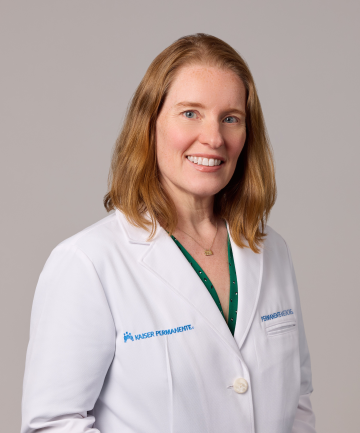
Claire Bolander, MD, an ob-gyn at Kaiser Permanente
----
Kaiser Permanente is honored to partner with The St. James to help keep your entire family healthy and thriving. Visit our website for more health and fitness advice from Kaiser Permanente physicians.