


Fall's Running Edge
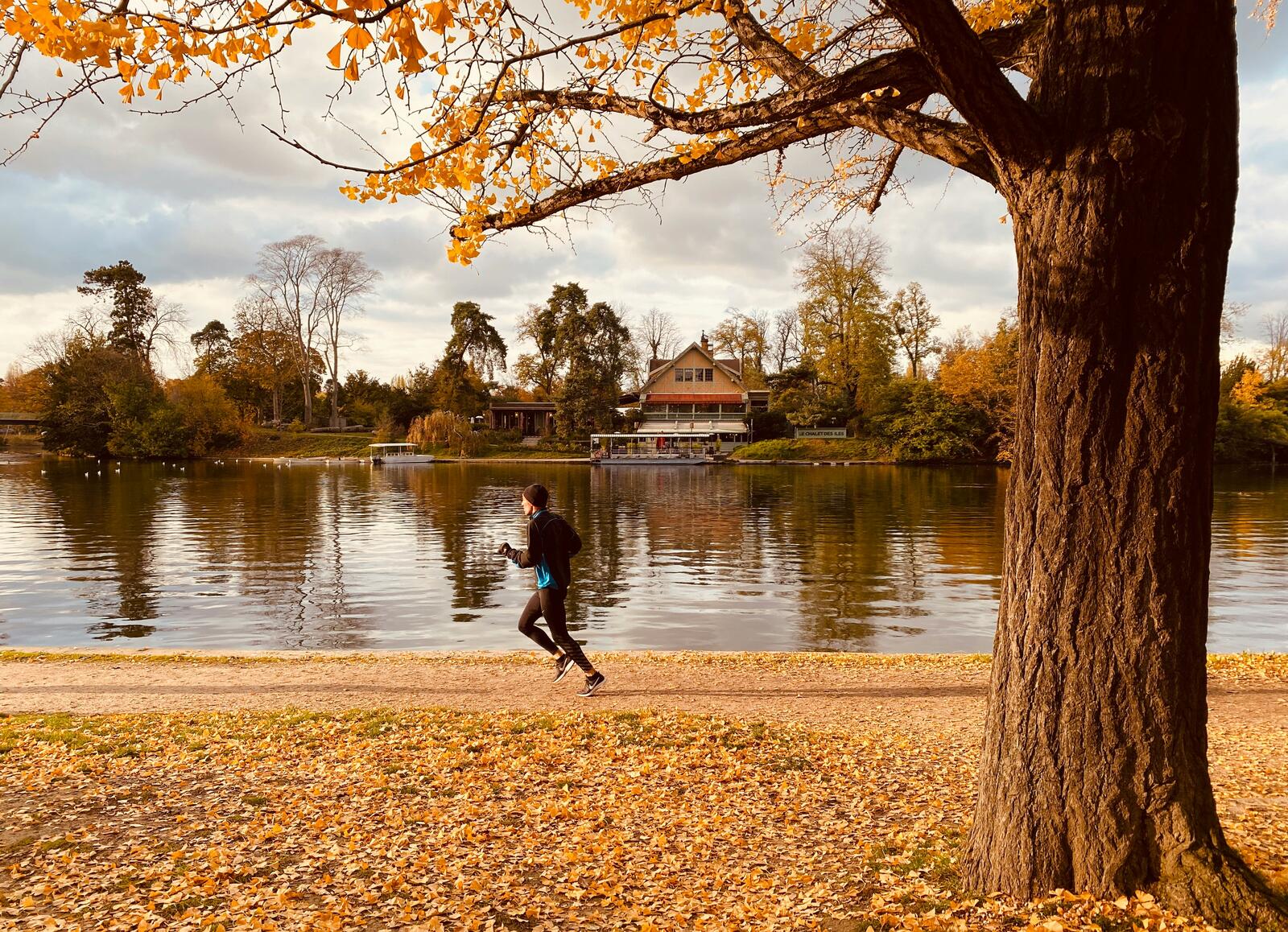
The science behind why fall is the best season to build a running habit, and how to make it actually stick.
Summer training has a way of feeling like survival. Fall training feels like an opportunity. As the heat breaks and the air turns crisp, conditions shift in a runner's favor, and the season becomes less about pushing through and more about building something that lasts.
Your Body Runs Better in Cooler Air
Heat is the biggest tax a runner pays. In summer, the body spends real energy just keeping itself cool, diverting blood to the skin and raising heart rate before a single mile is covered. Exercise physiology research on marathon performance has consistently linked cooler conditions to faster sustained paces, with output declining as temperatures climb toward summer highs. Once that heat tax disappears, the same effort carries you further: oxygen delivery improves, heart rate holds steadier, and a run that felt draining in August can feel almost easy by October.
Consistency Beats a Big Effort
The hardest part of any running habit is not the workout. It is the fortieth ordinary day, long after the initial motivation fades. A widely cited University College London study found that new habits take an average of 66 days to become automatic, and exercise-based habits typically take even longer to stick than simpler ones. Missing a single day does not undo that progress. What matters is returning to it, consistently, until showing up stops requiring a decision at all.
Fall Running Protects More Than Fitness
The shift into fall does not just change the weather. It changes the daylight. According to the Mayo Clinic, seasonal affective disorder typically begins in fall and continues into winter, affecting millions of people as the days shorten. Regular exercise is one of the most accessible tools for managing that shift, with research linking consistent activity to real reductions in seasonal low mood. A fall running habit is not just training for spring. It is a defense against the exact months when motivation is hardest to find.
A run that felt like a chore in August can start to feel like the best part of the day by November, if the habit gets built before the motivation fades.
Built For Company
Running is easier to sustain when it is not done alone. Training alongside other people, even once a week, adds a layer of accountability that solo miles cannot replicate. That is the idea behind The St. James Run Club, meeting every Thursday at 6PM at both Springfield and Bethesda locations. All paces are welcome.
Fall does not ask for more discipline. It asks for a plan that fits the season, and just enough consistency to let the weather do some of the work. Lace up, find your pace, and let the next few months build something that carries into the new year.
Sources
Mayo Clinic, Seasonal Affective Disorder (SAD)
Lally, P., et al. (2009). How are habits formed: Modelling habit formation in the real world. European Journal of Social Psychology.
El Helou, N., et al. Impact of Environmental Parameters on Marathon Running Performance. PLOS ONE.